
Kalleh Pacheh near the ocean: A Dish That Crossed Borders and Found Sand
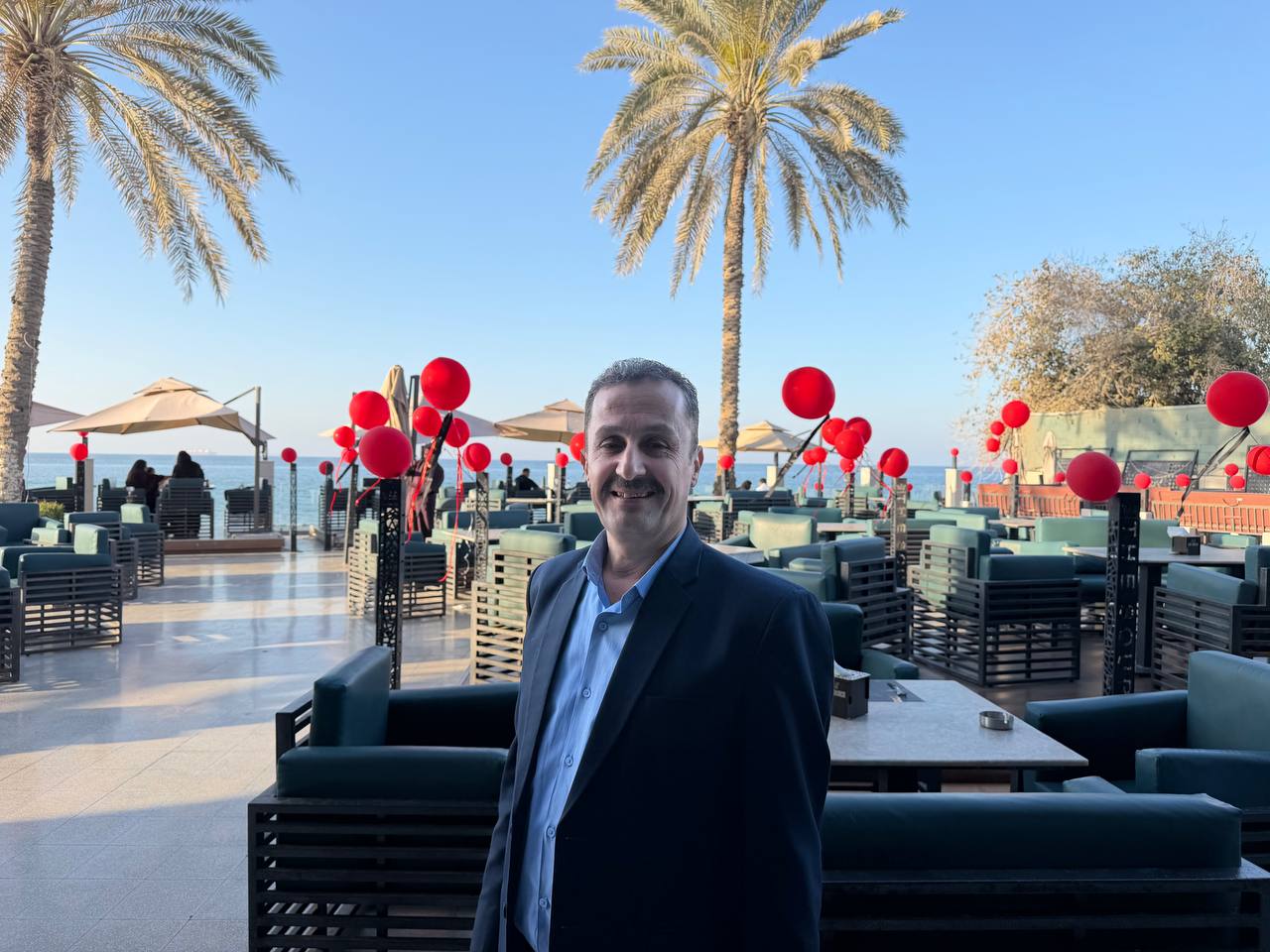
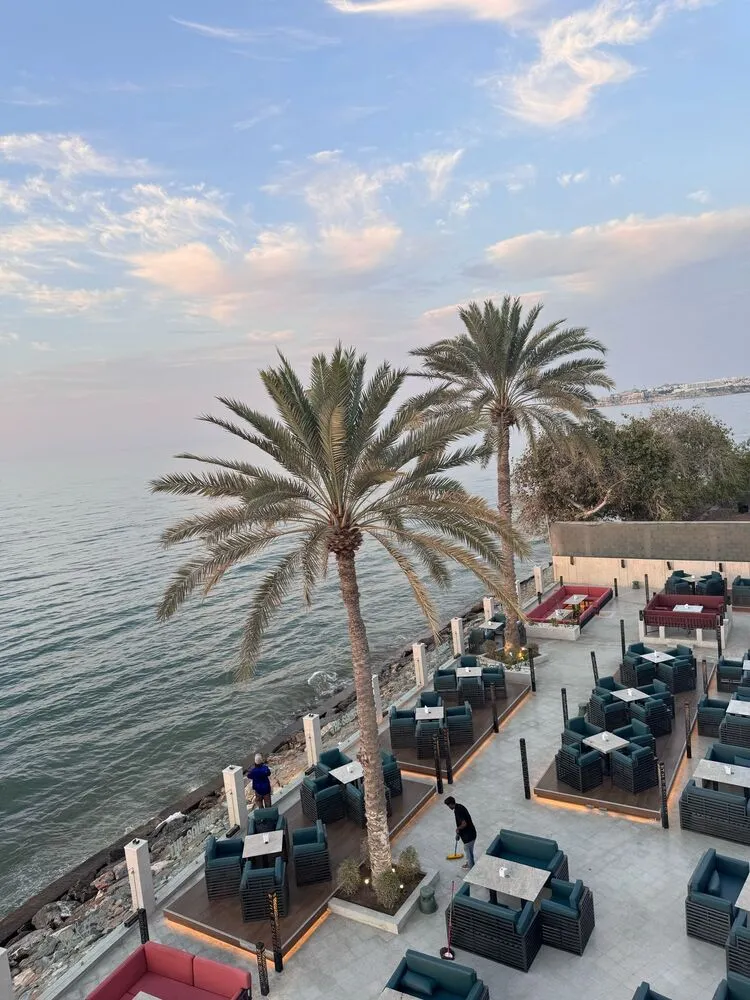
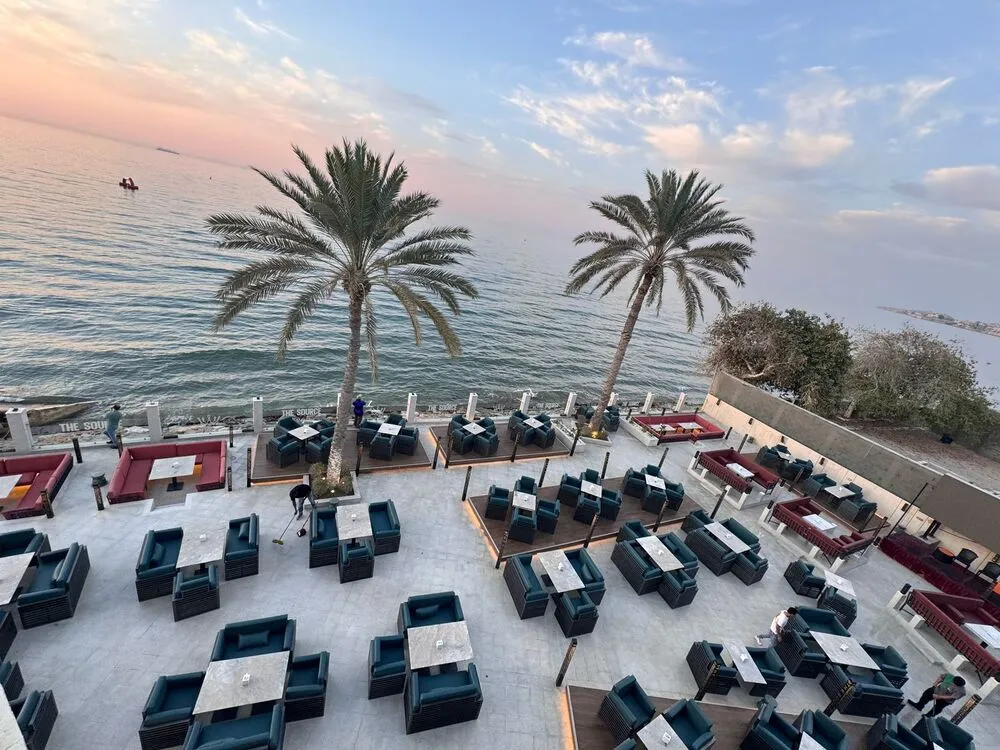
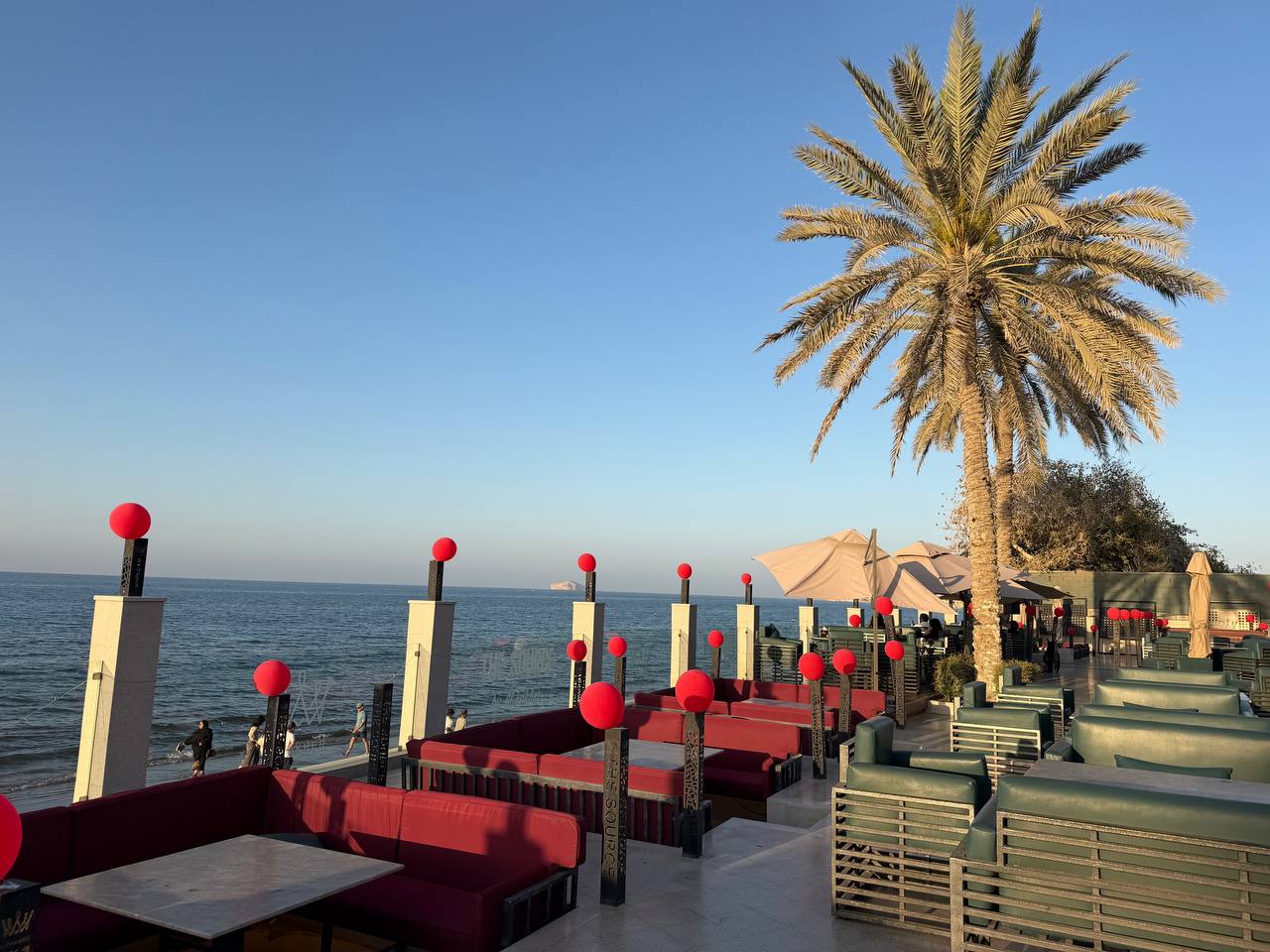
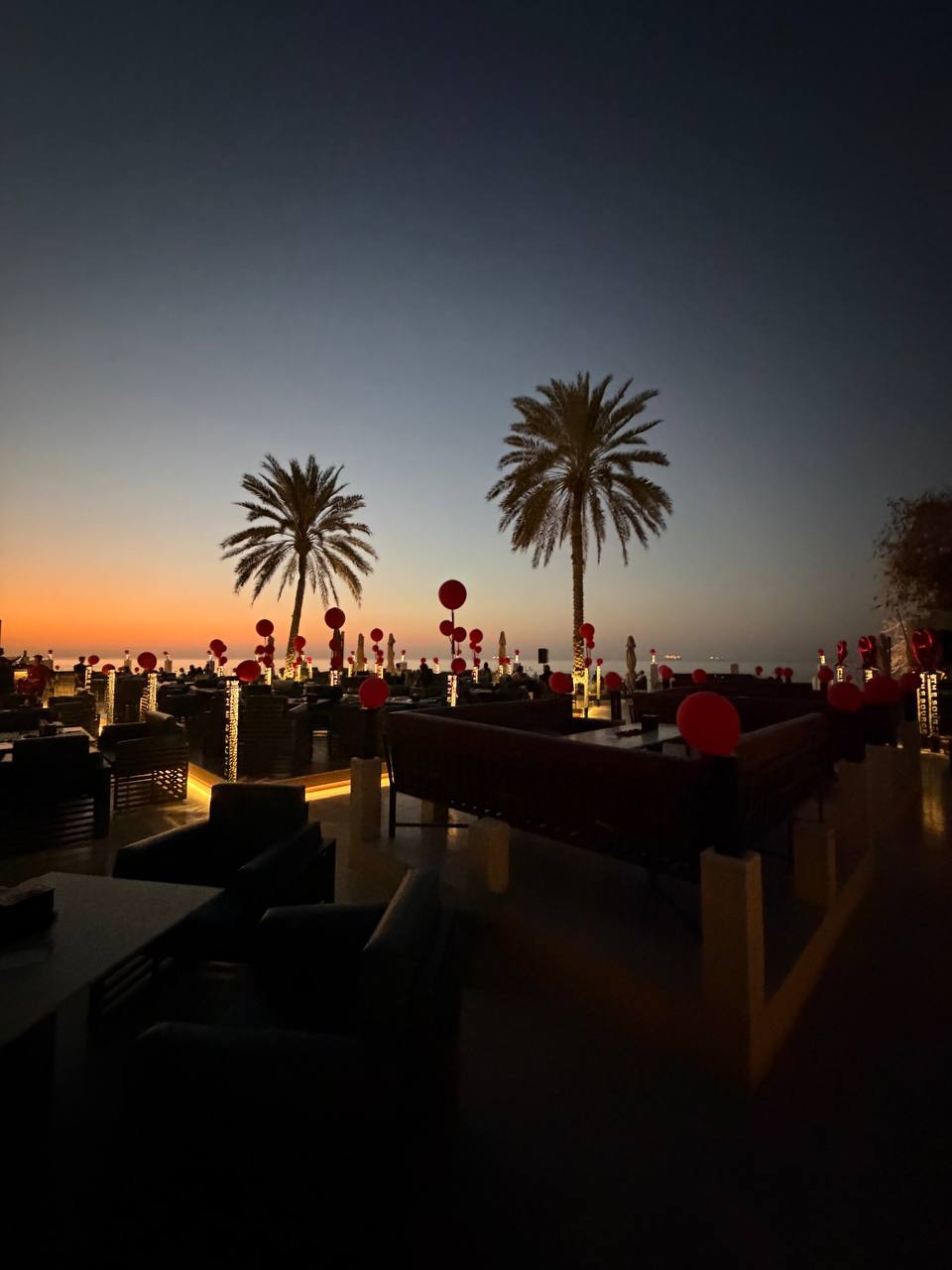
Steam curls off the surface of a bone broth so rich it coats the spoon before it reaches your mouth. The sheep’s tongue, sliced clean and tender, sits beside a piece of cheek meat that falls apart at the nudge of bread, and the whole scene is happening not in a basement kitchen in south Tehran at four in the morning but on a sunlit terrace on Qurum Beach, Muscat, with the Arabian Sea stretching flat and blue behind your glass of tea.
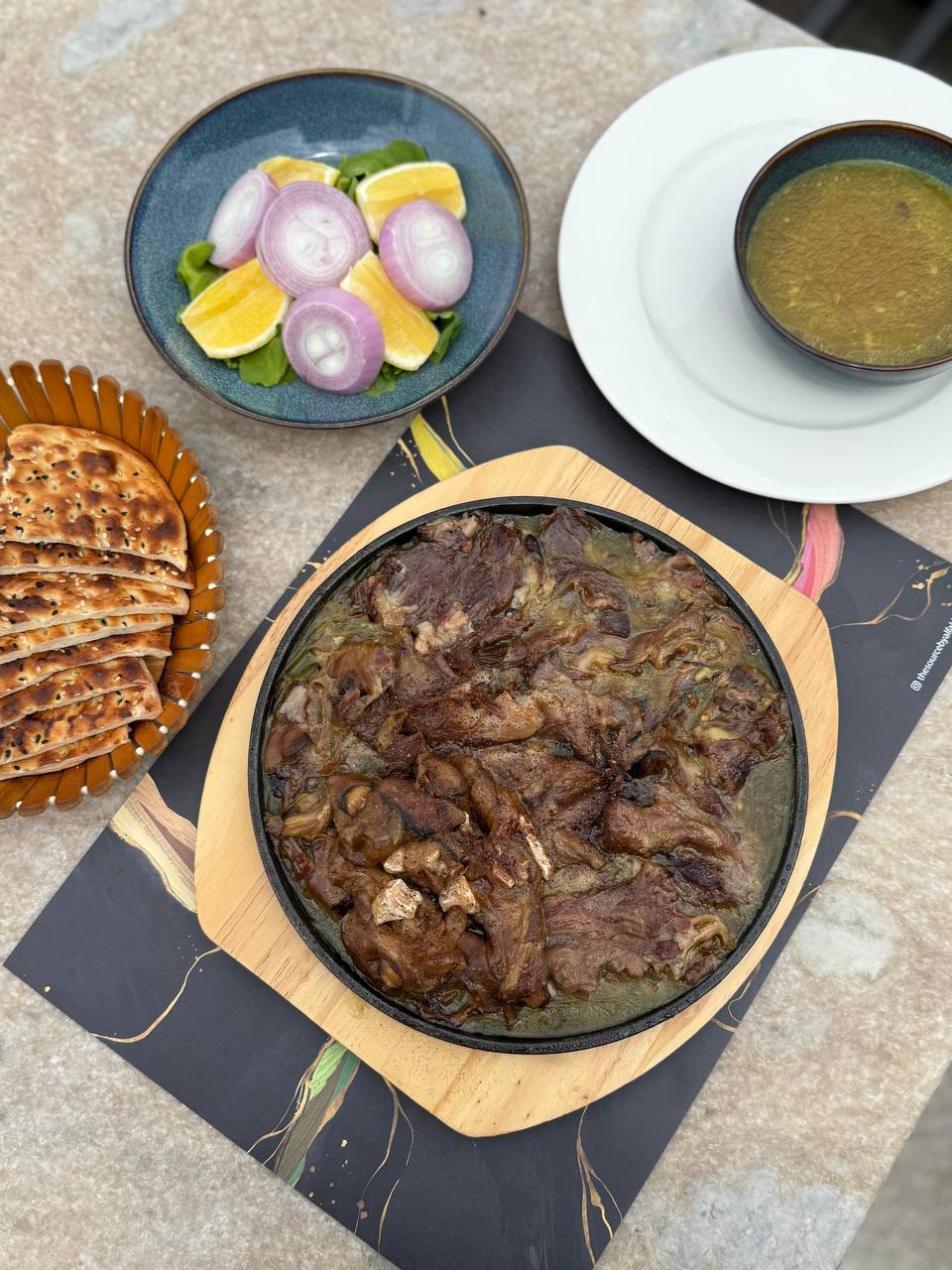
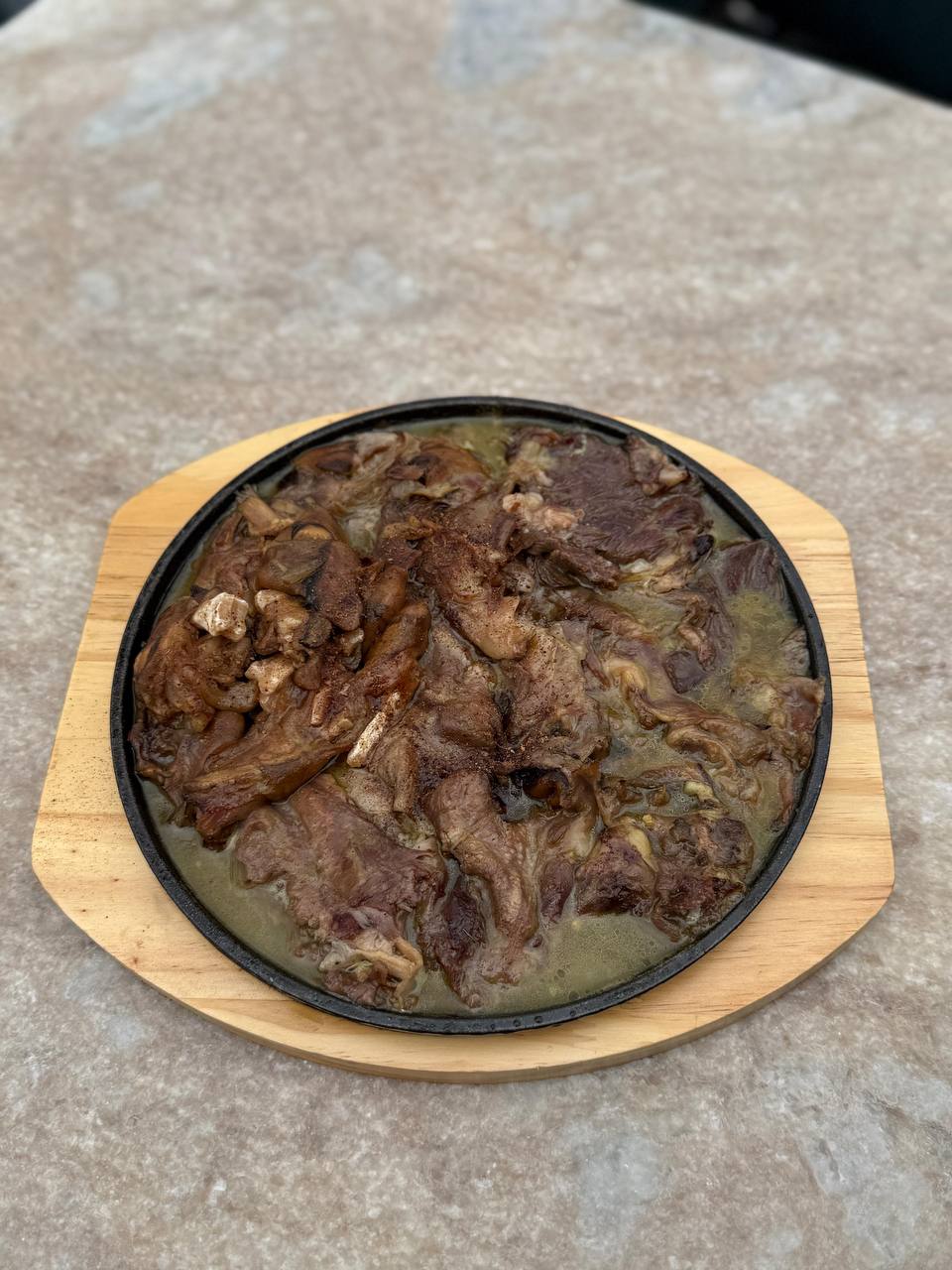
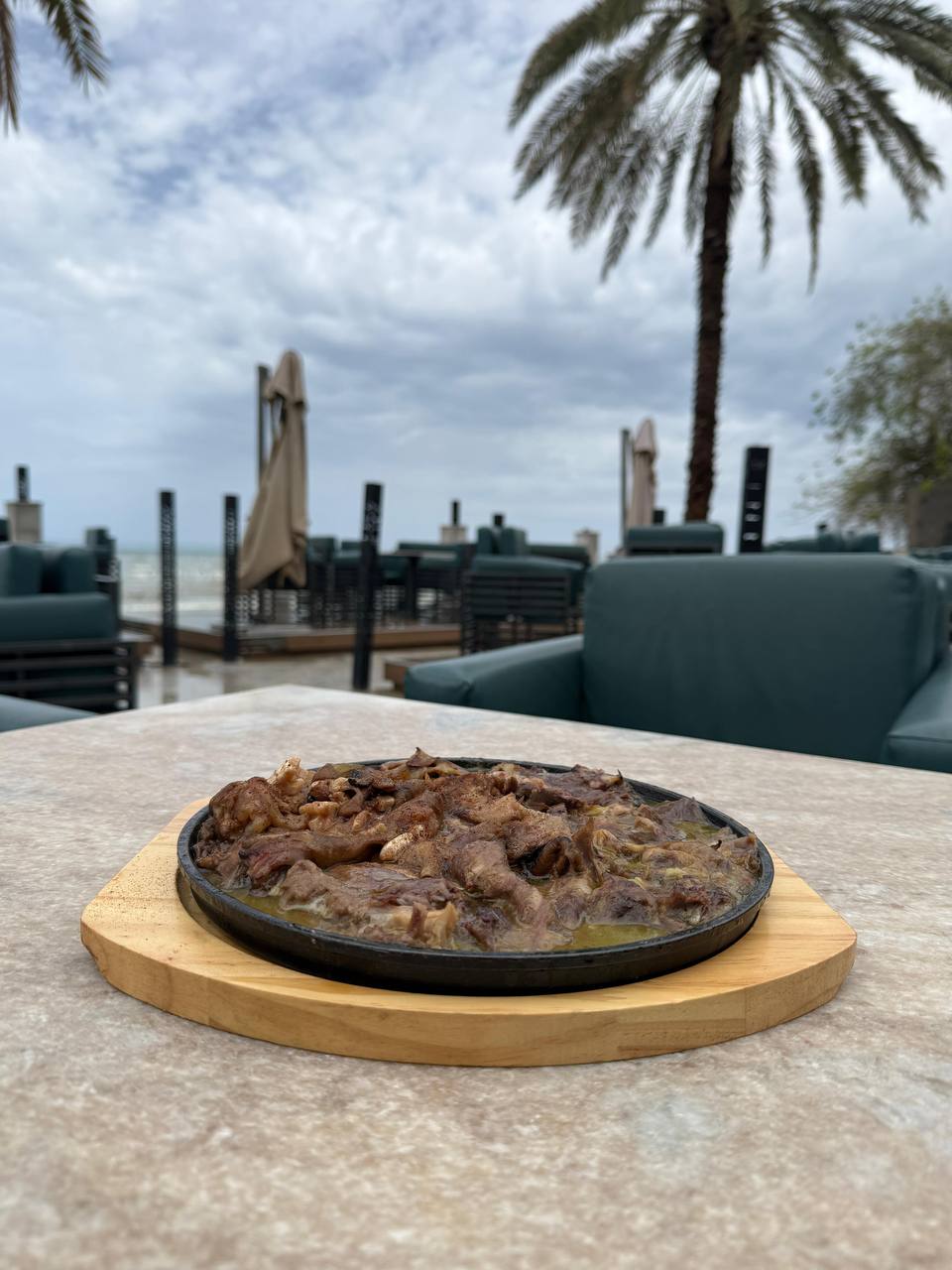
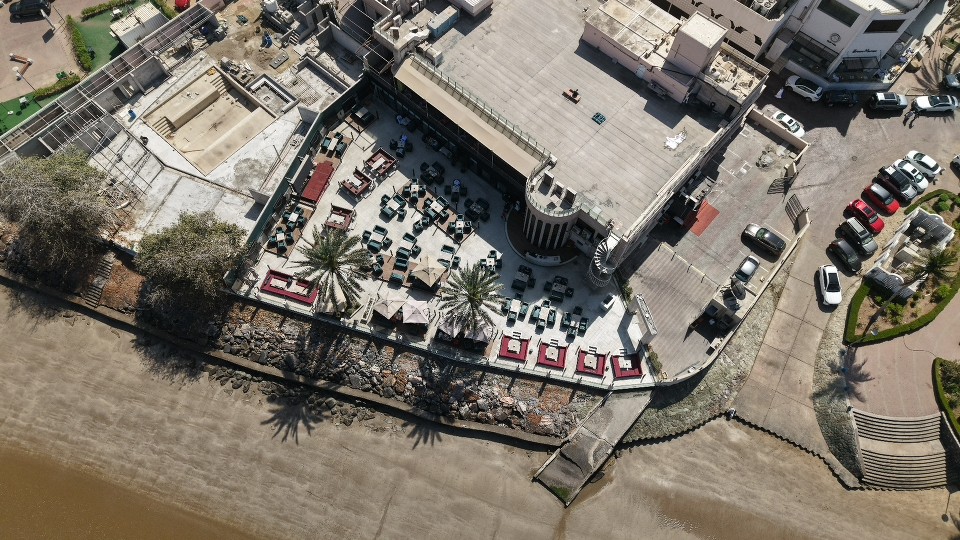
Kalleh pacheh is one of the oldest and most deeply traditional dishes in Persian cuisine — a slow-cooked preparation of sheep’s head and hooves, simmered for hours until the collagen breaks down into a silky, restorative broth and the various cuts of meat reach a tenderness that no other cooking method produces. The Source, a beachfront restaurant on Qurum Beach in Muscat, Oman, serves a complete kalleh pacheh set including the full dish, soup, and tea for 9.800 OMR — making it one of the only places in Muscat where this iconic Persian comfort food meets a proper beachfront setting.
The dish carries enormous cultural weight. In Iran, kalleh pacheh is traditionally eaten as an early morning meal — served from predawn hours at specialized shops where the pot has been simmering since the previous night. It is food for cold mornings, for recovery, for gatherings that start before the city wakes. Bringing it to a Qurum Beach table changes the context but not the soul of the experience. The broth is still the same patient, slow-cooked elixir. The meat still carries the same depth. The tea still plays the same essential role. Only the view has changed — and what a view it is.
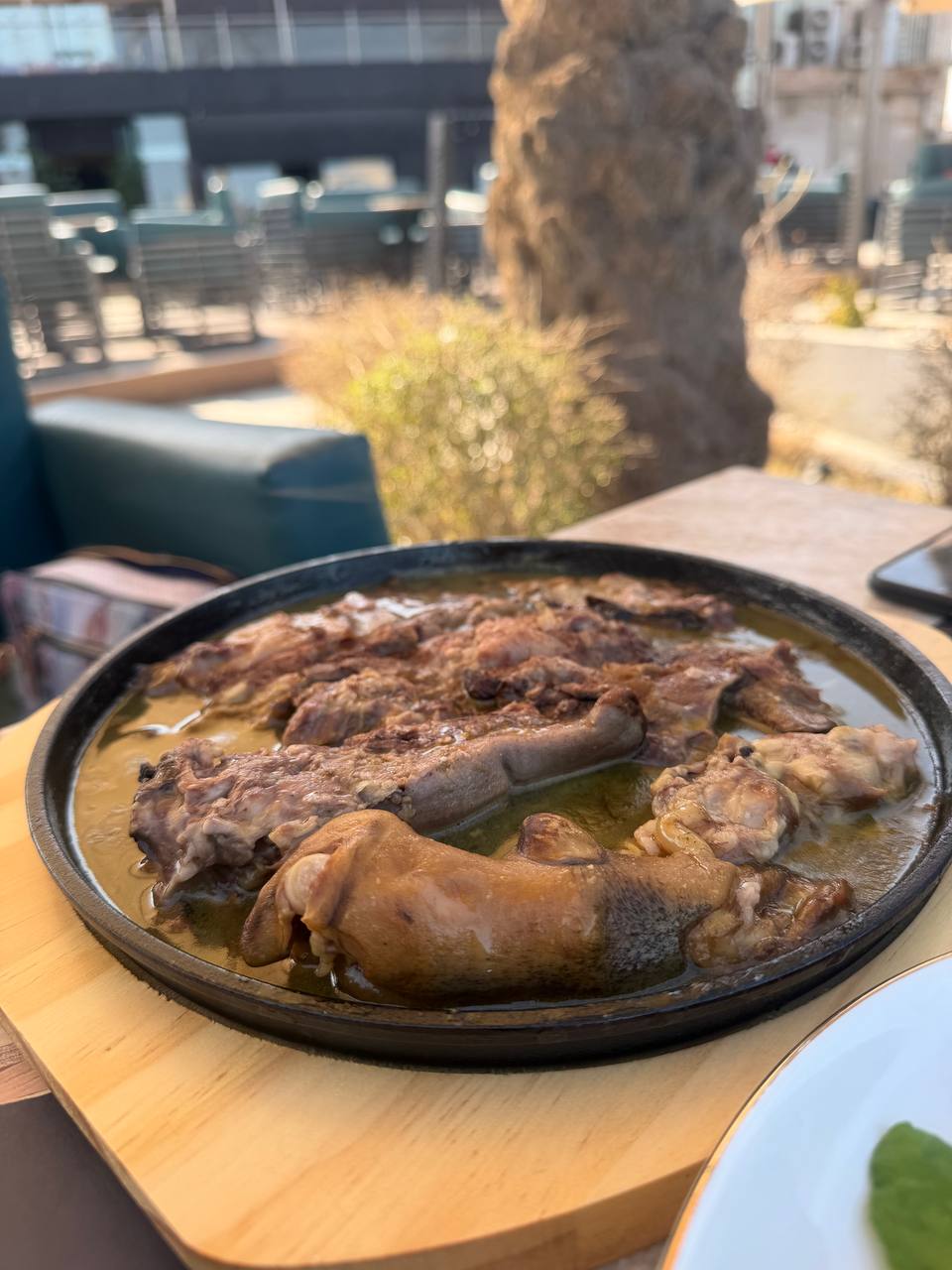
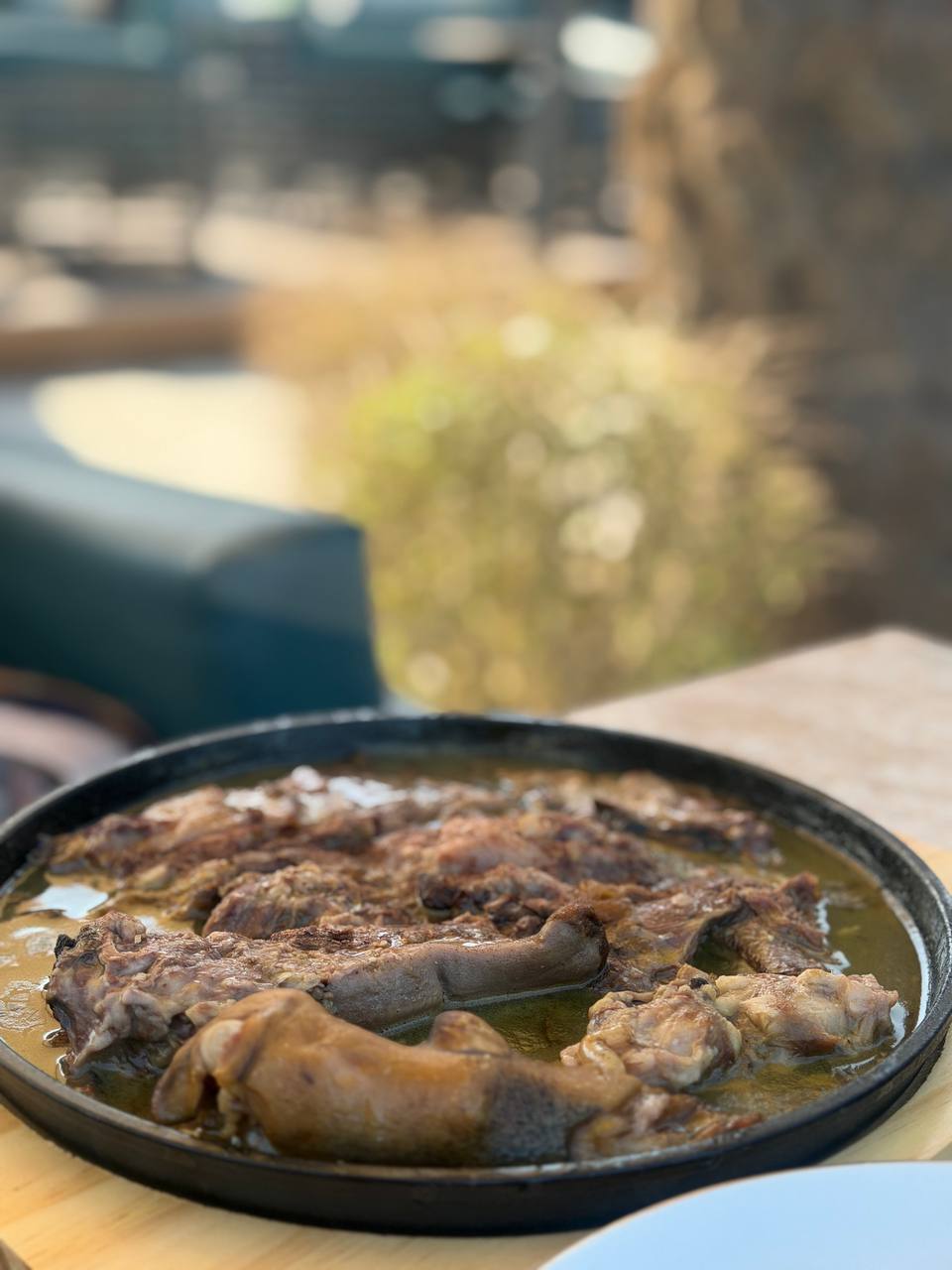
What a Full Kalleh Pacheh Set Looks Like at The Source
Preparing authentic kalleh pacheh demands time that cannot be compressed and shortcuts that cannot be taken. The sheep’s head and hooves undergo thorough cleaning, then enter a large pot of water with onions, turmeric, salt, and sometimes a restrained addition of cinnamon and black pepper. The pot simmers — not boils, simmers — for a minimum of six to eight hours, more often overnight, until every piece of connective tissue has dissolved into the broth and the meat has reached that specific texture where it resists nothing. A fork goes through it like it goes through butter.
The Source’s kitchen handles this preparation with the seriousness it demands. The broth that arrives at your table has the deep gold color and the viscous body that only genuine long-simmered collagen produces — not the thin, pale liquid of a rushed version, but a soup with substance and weight that you feel in your chest after the first three spoonfuls. This is bone broth in its most ancient and honest form, decades before the word “superfood” existed and centuries before wellness culture tried to bottle it.
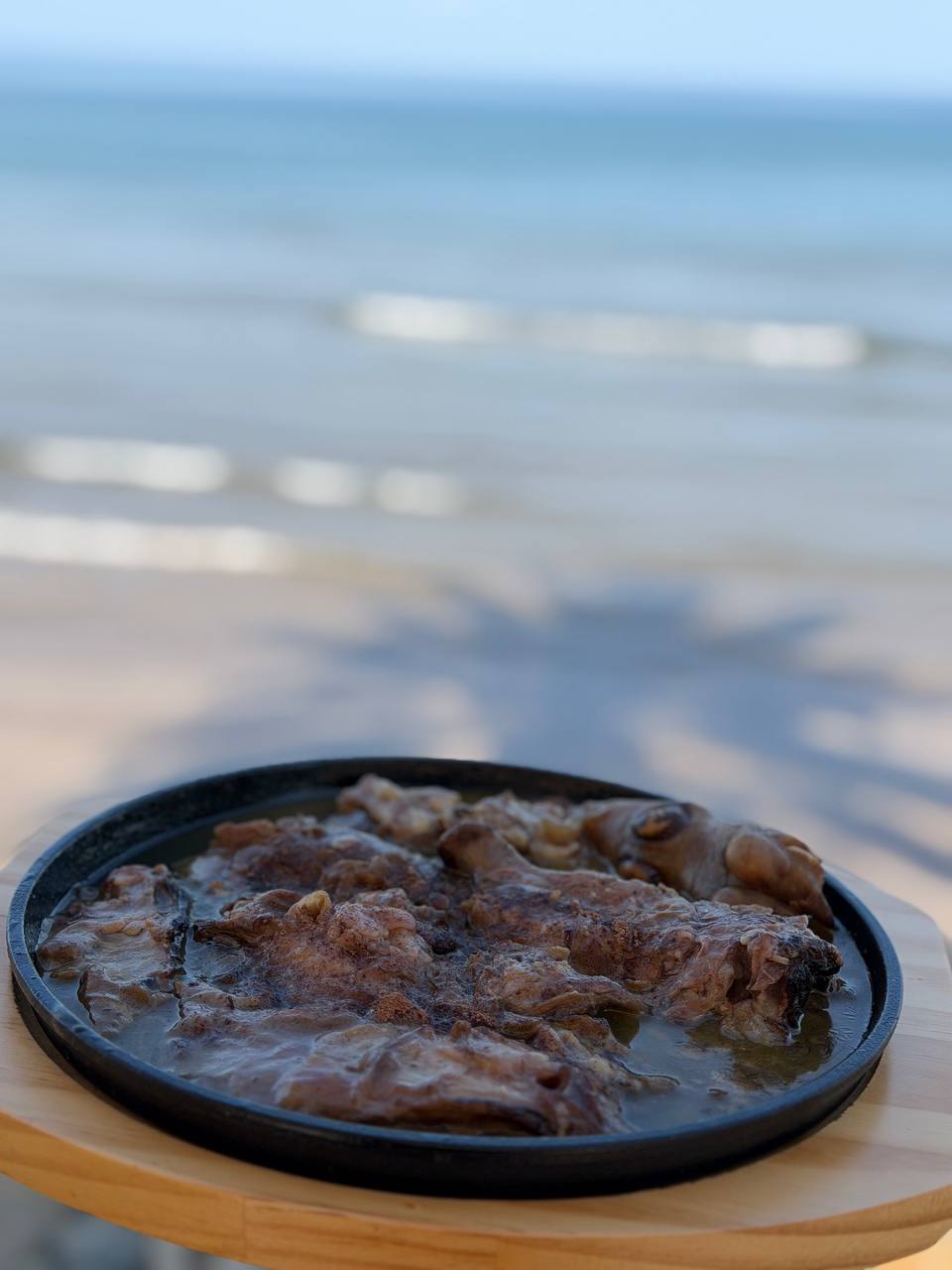
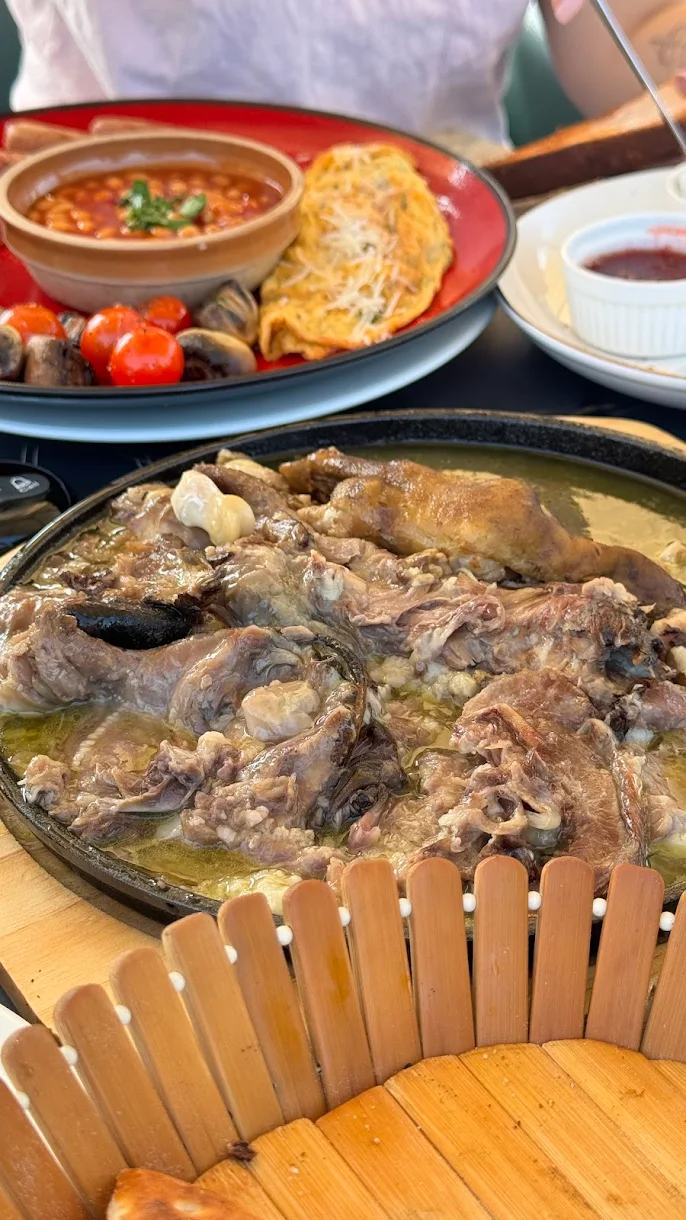
The Cuts — Tongue, Cheek, Brain, and Beyond
A proper kalleh pacheh set presents the various parts of the head separately, each with its own texture and flavor profile. The tongue — peeled, sliced, and extraordinarily tender — has a clean, almost sweet meatiness that surprises people encountering it for the first time. It carries none of the gaminess that lamb shoulder or leg sometimes develops. Instead, it tastes like the purest expression of lamb itself, concentrated through hours of gentle heat.
Cheek meat is the cut that converts skeptics. After eight hours of simmering, the cheek — already one of the most naturally flavorful muscles on the animal due to its constant movement during grazing — develops a falling-apart softness and a depth of taste that rivals any braised meat in any cuisine. The fibers separate without resistance, and the flavor carries a richness that sits somewhere between the clean intensity of tongue and the earthier notes of the jowl.
Brain, for those who choose it, arrives with a custard-like texture — creamy, delicate, almost mousse-soft on the palate. It is the most divisive component of kalleh pacheh and simultaneously the most prized among devotees. Eating it requires a certain willingness to trust the tradition, and those who do are rewarded with a texture and flavor no other protein replicates.
The hooves contribute differently — less about the meat on them (which is minimal) and more about the extraordinary gelatin they release into the broth during cooking. The collagen from the hooves is what gives kalleh pacheh its signature viscosity, its coating quality, its ability to warm the body from inside out. They are the engine of the dish even if they do not star on the plate.
The Soup — A Meal Within a Meal
The broth served alongside the plated meats is not a side item. In the hierarchy of kalleh pacheh, the soup holds equal standing with the cuts themselves — and many longtime fans argue it holds superior standing. At The Source, it arrives steaming in a deep bowl, its surface shimmering with a thin layer of rendered fat that carries flavor, turmeric lending a golden warmth to the color, and a depth of body that tells your mouth this liquid has been working all night.
Drinking it with fresh bread — tearing off a piece of flatbread, dipping it into the broth, letting it absorb for two seconds before eating — is one of the great simple pleasures of Persian food culture. The bread softens just enough to carry the soup without falling apart. The combination of wheat and bone broth and turmeric and salt hits something primal, something older than menus and restaurants and pricing. It is the kind of food that makes you understand why humans domesticated sheep in the Zagros Mountains eight thousand years ago.
Tea — The Essential Closer
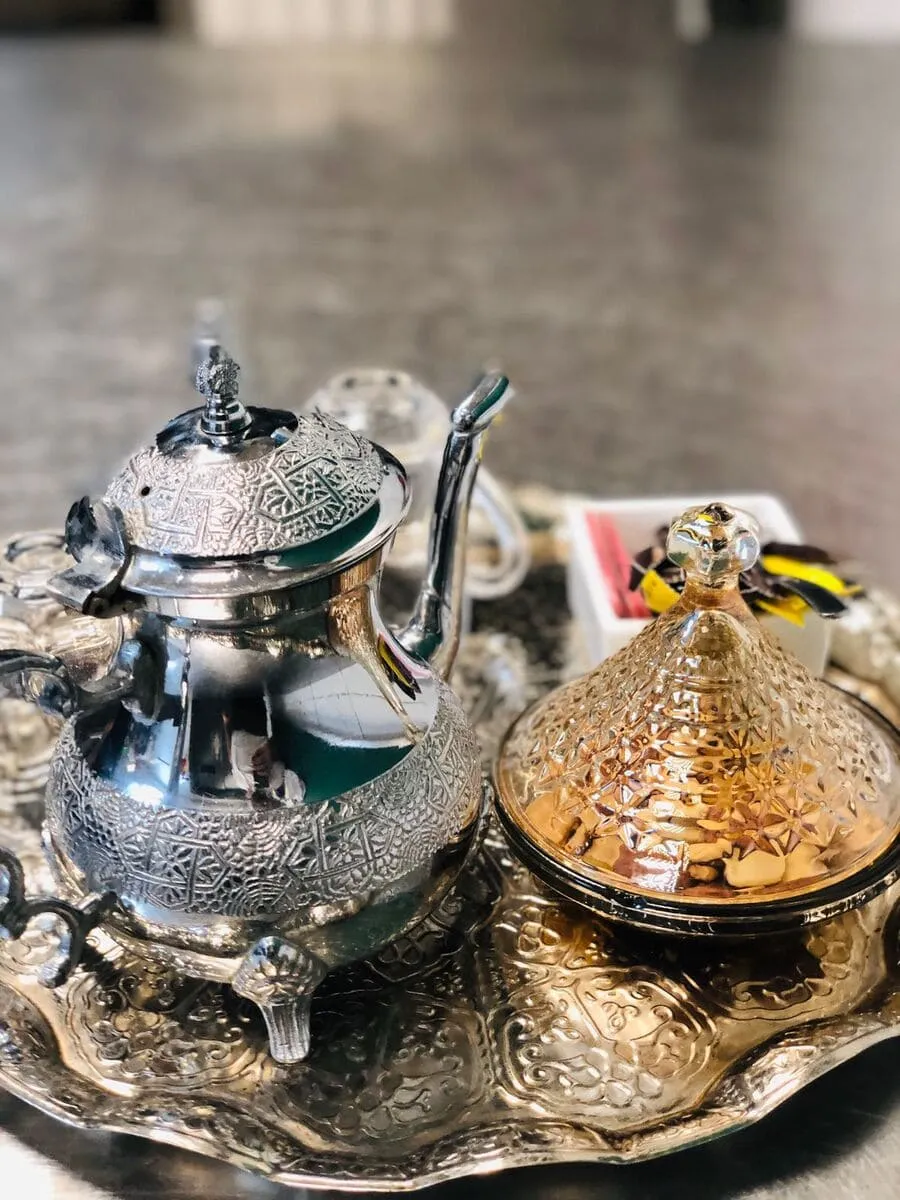
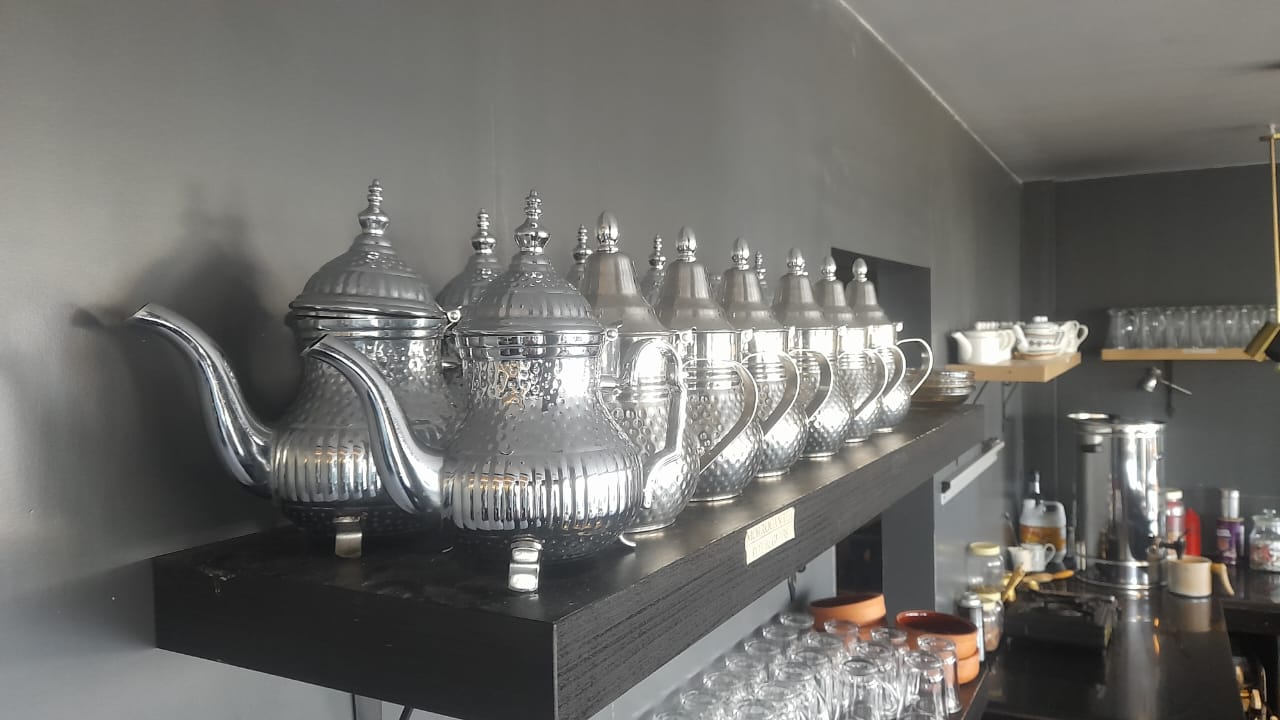
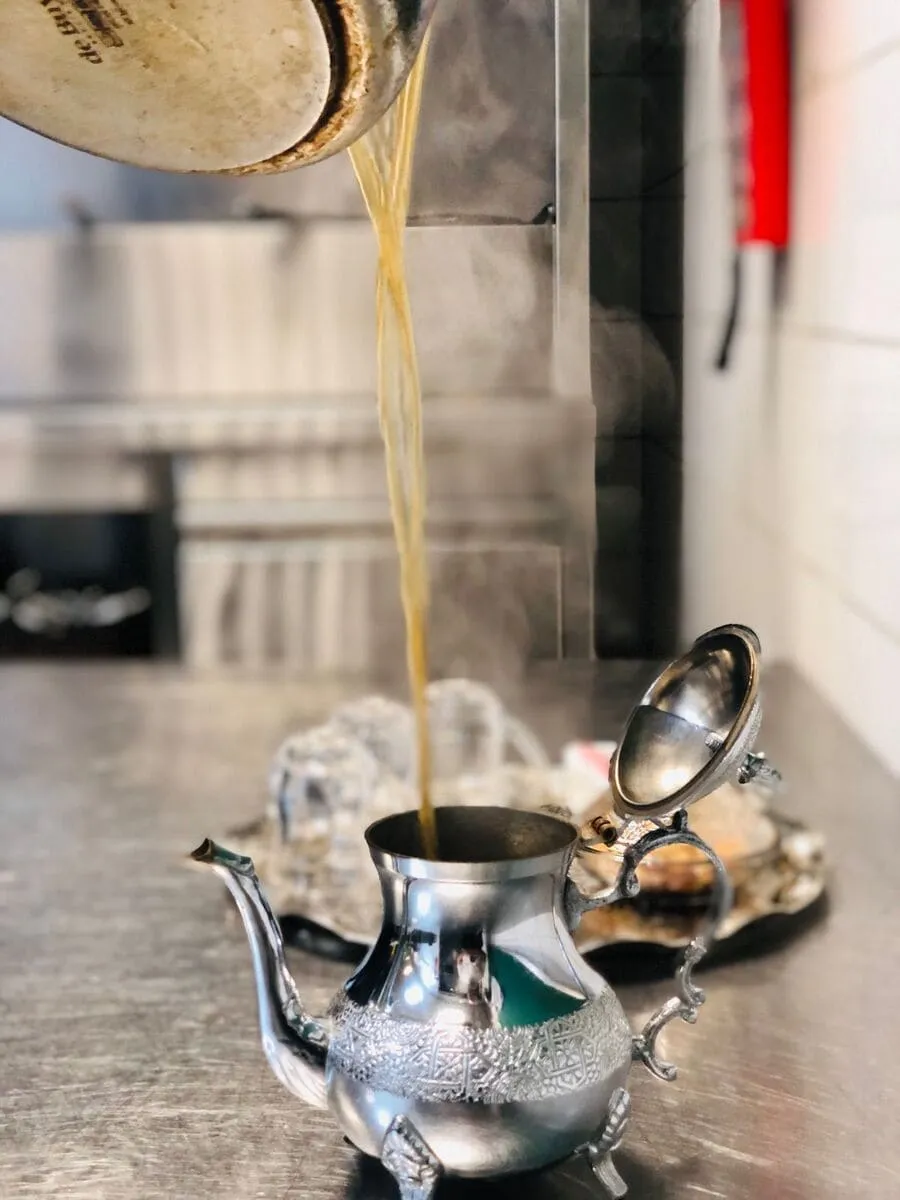
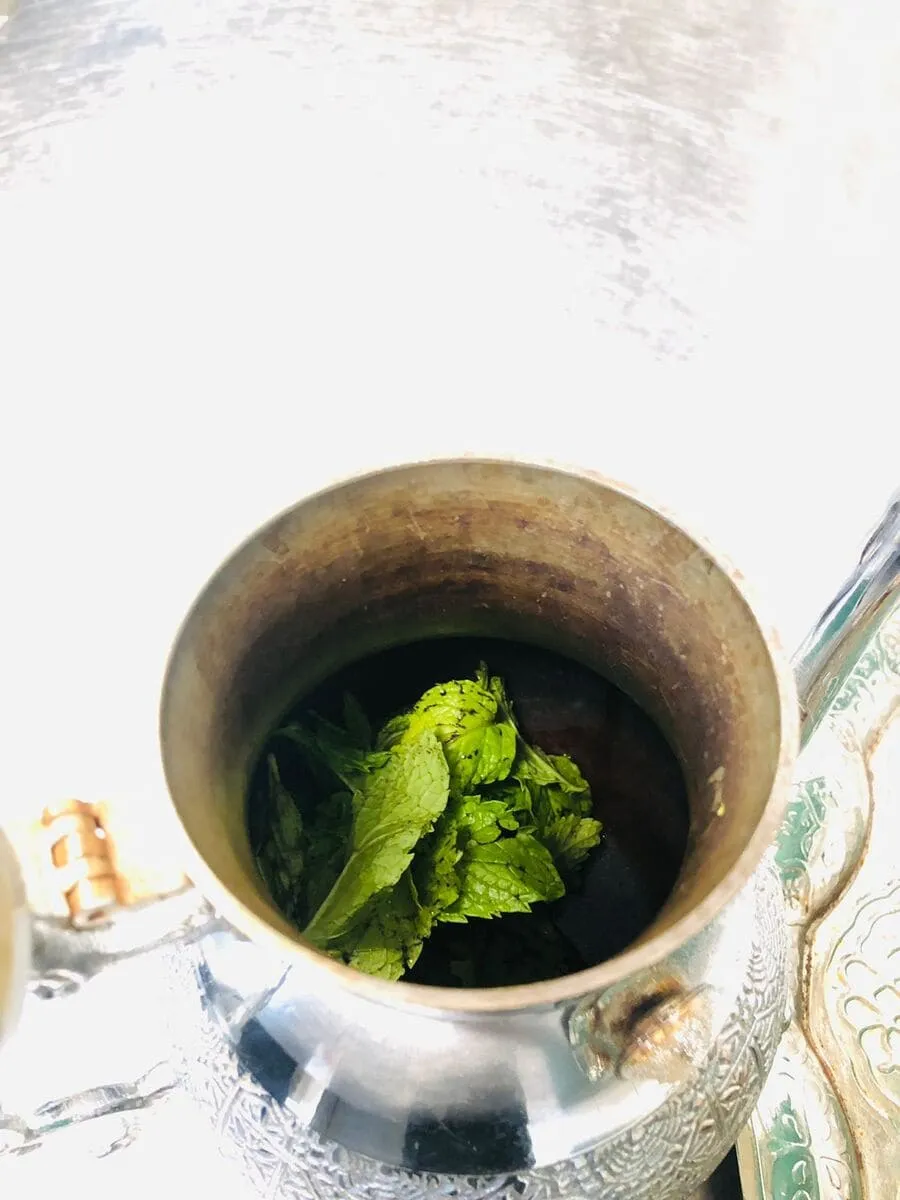
No kalleh pacheh set is complete without tea, and this is not a casual afterthought. In the Persian tradition, black tea — strong, hot, sometimes served with rock sugar — follows kalleh pacheh as both a digestive and a ritual conclusion. The tannins in the tea cut through the richness of the broth and the fattiness of the meats, resetting the palate and settling the stomach. Skipping the tea after kalleh pacheh is like leaving a concert before the encore: technically you attended, but you missed the ending that gives everything before it its full meaning.
The Source serves tea as part of the 9.800 OMR set, and the inclusion matters. It signals that the kitchen understands kalleh pacheh not as an isolated dish but as a complete experience with a beginning, middle, and end — soup, meat, tea — each playing a defined role in the ritual.
The Persian Comfort Food Tradition — Why Kalleh Pacheh Matters Beyond Flavor
Kalleh pacheh originated not in restaurant culture but in household and bazaar culture — a dish born from the resourcefulness of using every part of the animal and the communal wisdom of slow-cooking tough cuts into something nourishing. In Iranian cities, specialized kalleh pacheh shops have operated for centuries, some opening as early as 3 AM, serving laborers, taxi drivers, night-shift workers, and anyone seeking the restorative power of a hot broth before dawn.
The dish spread across the region — variations appear in Turkey (kelle paca), Afghanistan, Azerbaijan, and Iraq — but its deepest roots and most passionate following remain in Iran. For the significant Iranian and Persian-speaking expat community in Muscat, finding authentic kalleh pacheh in their adopted city carries emotional significance that goes beyond appetite. It is a taste of home. A sensory connection to family tables, to Tehran mornings, to a culinary tradition that does not translate easily into restaurant menus because it demands patience, skill, and the kind of overnight commitment that most kitchens avoid.
Why Most Restaurants Do Not Serve It
The practical obstacles are real. Kalleh pacheh requires sourcing whole sheep heads and hooves from reliable suppliers — ingredients that do not sit on standard restaurant supply lists. The cleaning process is labor-intensive and requires specific knowledge. The cooking time — overnight, minimum — means the kitchen commits a large pot, significant fuel, and continuous attention to a single dish while regular service continues around it. Most international restaurants in Muscat calculate the effort-to-demand ratio and decide against it.
The Source’s decision to put kalleh pacheh on its menu — and to price it at 9.800 OMR for a complete set — reflects a kitchen that listens to its community rather than defaulting to the safest possible menu. Muscat’s Iranian expat population is substantial, its appetite for authentic home-country flavors is real, and no amount of generic “Middle Eastern mezze” satisfies the craving for a bowl of properly simmered kalleh pacheh broth at a table with a sea view. The Source recognized this gap and filled it with genuine care.
Best for Iranian and Persian-speaking expats in Muscat craving an authentic taste of home in a setting that adds rather than subtracts from the experience. Ideal for adventurous food tourists who have read about kalleh pacheh and want their first encounter to happen somewhere extraordinary rather than somewhere ordinary. Right for longtime Muscat residents — Omani, Indian, European, Filipino, any background — who believe that trying a culture’s most deeply traditional dish is the fastest way to understand that culture.
The 9.800 OMR price point for a complete set with soup and tea places this firmly in the accessible category. No premium markup for the beachfront. No surcharge for the ambiance. Just a serious dish at a fair price in an unforgettable location.
How to Find Us
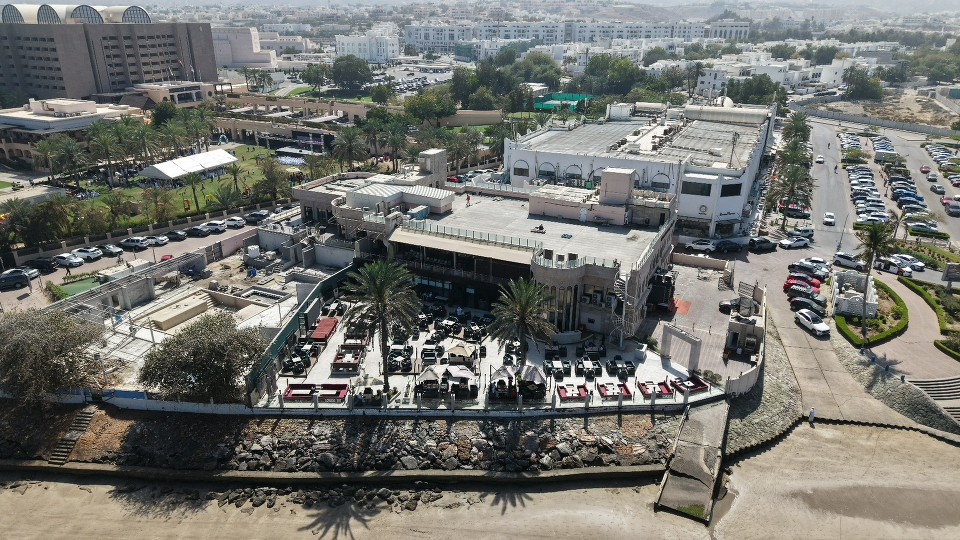
Bring your appetite and your curiosity to Qurum Beach. Visit The Source and discover what happens when one of Persia’s oldest comfort foods meets Muscat’s most beautiful coastline. Read what guests are saying on Google Business Profile and TripAdvisor, and follow The Source on social media for daily menu updates, special dishes, and beachfront happenings.
We recommend making a reservation.
The Source on Qurum Beach, Muscat, serves a complete kalleh pacheh set including the full dish, soup, and tea for 9.800 OMR. It is one of the few restaurants in the city offering this traditional Persian dish, prepared with an overnight slow-cooking process and served on a beachfront terrace overlooking the Sea.
Yes, The Source is a family-friendly restaurant with spacious beachfront seating, wheelchair accessibility, and free parking. Children who may not want kalleh pacheh can order from the regular menu, which includes familiar options alongside the traditional Persian dishes.
The Source serves authentic kalleh pacheh with the same slow-cooked preparation found in traditional Iranian shops, but in an open-air beachfront setting on Qurum Beach — combining the centuries-old dish with sea views, fresh air, and a relaxed coastal atmosphere that no indoor venue can replicate.
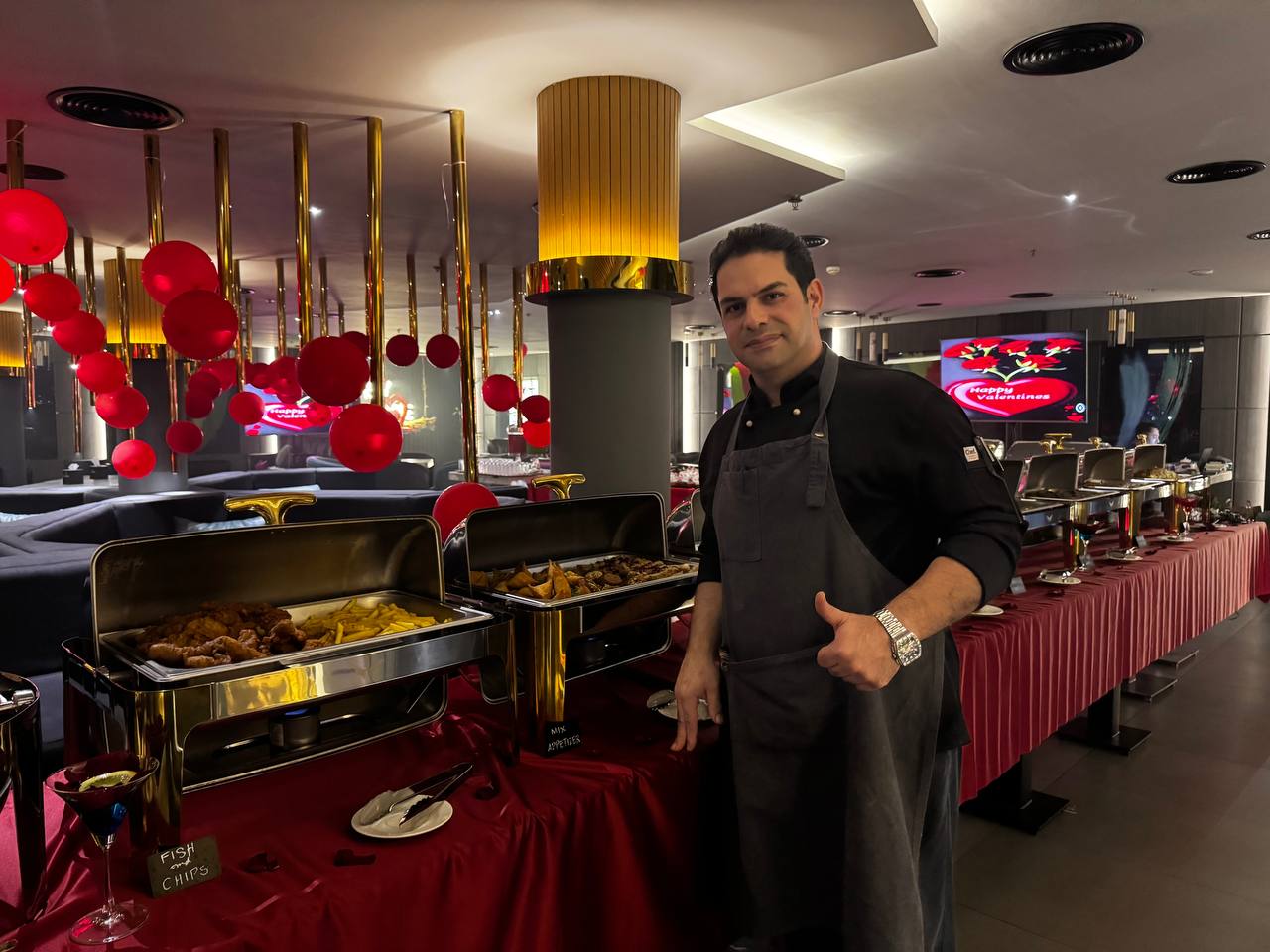
The Source offers a spacious open-air beachfront setting suitable for families, including a full food menu with options for children such as chicken strips and fish and chips. Free parking and wheelchair accessibility make it convenient for guests of all ages and mobility levels.