
Ramadan Iftar Buffet on Qurum Beach for 10.9 OMR
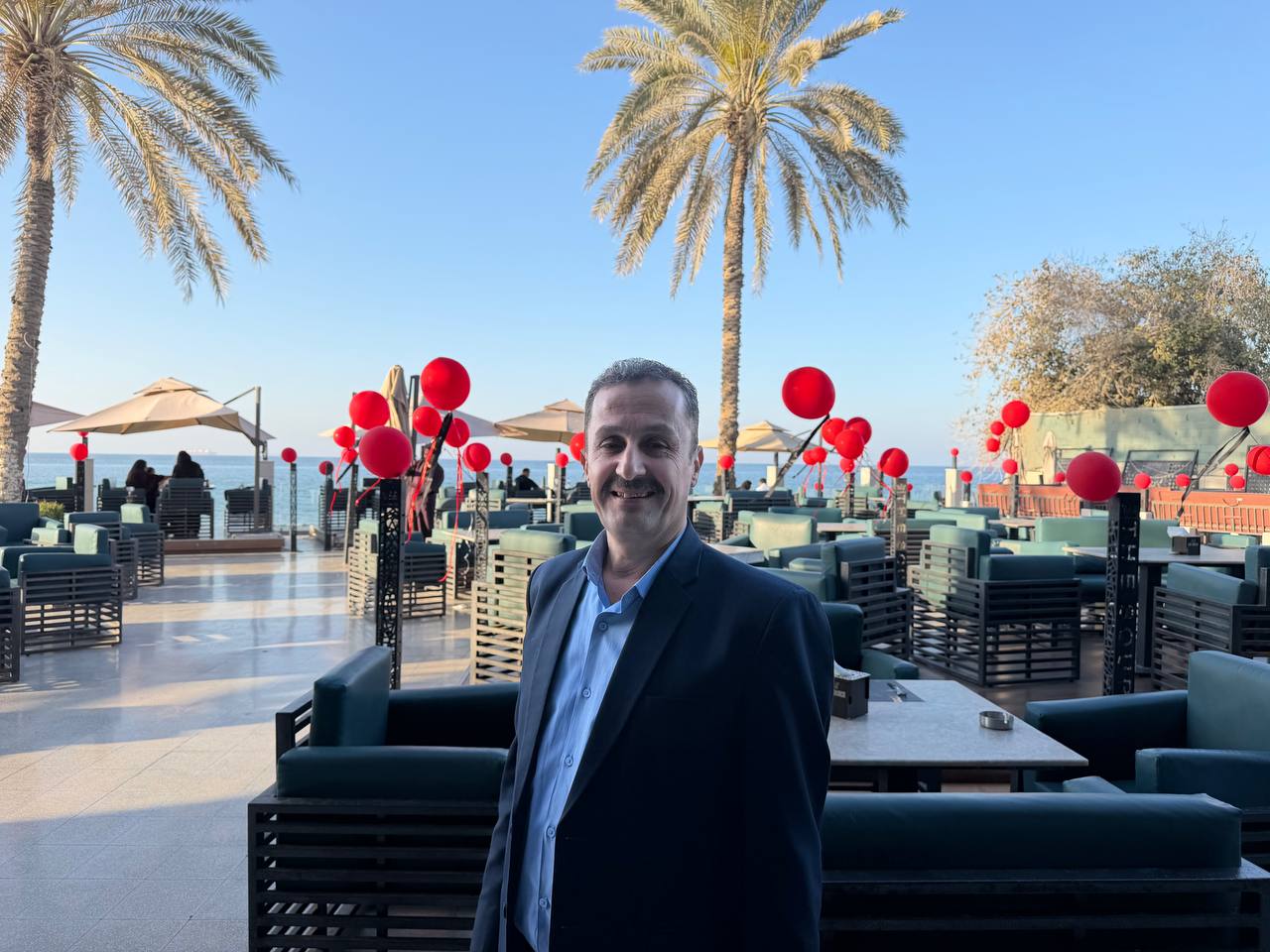
Salt on the air, charcoal smoke drifting sideways across the terrace, and the Arabian Sea doing that thing it does right before Maghrib — flattening into liquid copper while the sky above Qurum Beach deepens from gold to violet. Your table sits close enough to the waterline to hear the foam hiss on the sand. A bowl of lentil soup sends up steam. Three dates wait on a small plate. Then the azan rolls across the beach — and thirty tables break fast together.
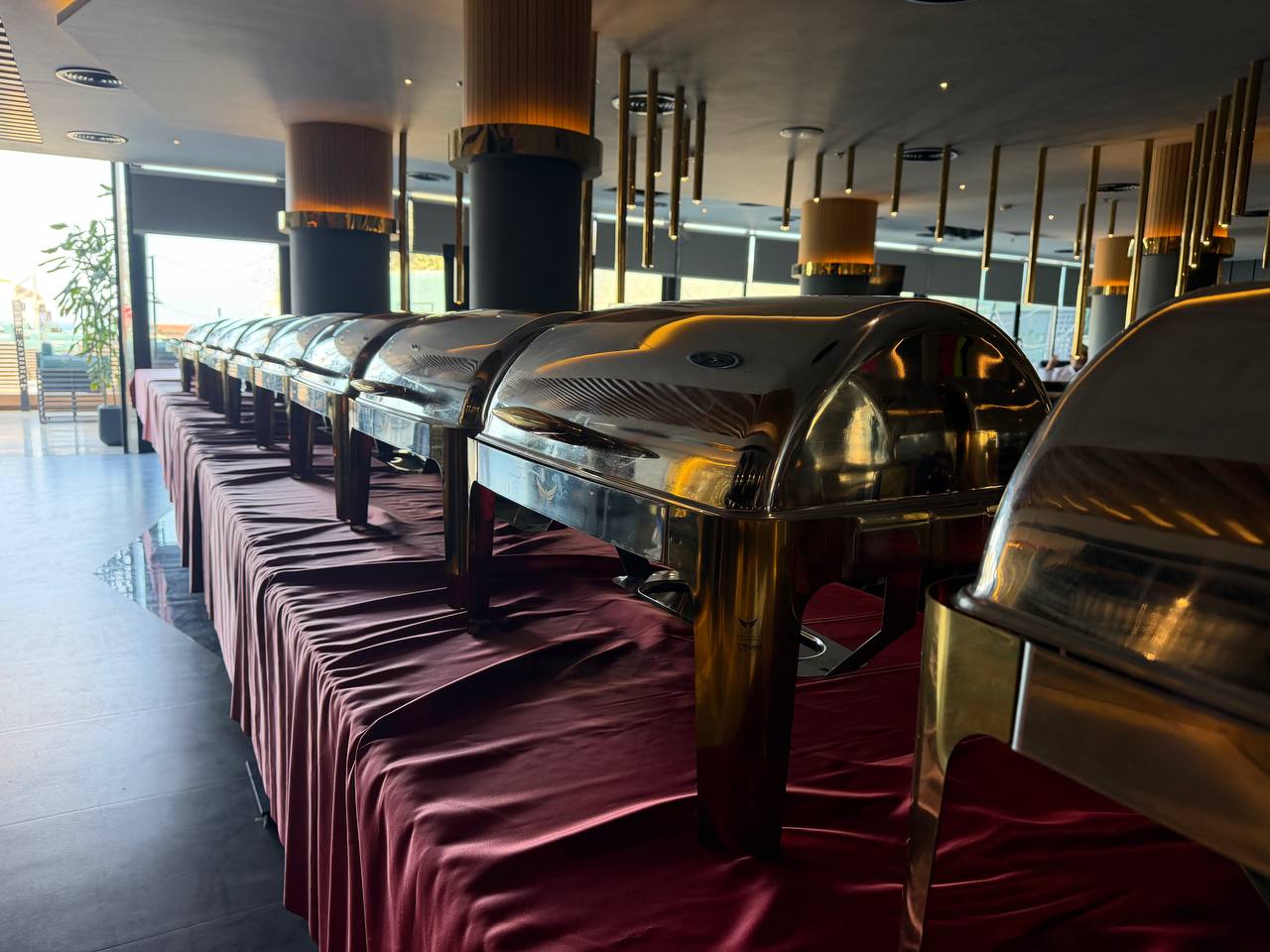
A Complete Iftar Buffet Steps near the Sea
Location That Takes Your Breath Away
The Source is a beachfront restaurant on Qurum Beach in Muscat, Oman, serving a nightly Ramadan iftar buffet from Maghrib azan until 8:30 PM at 10.900 OMR per person. The spread covers three soups, a full cold mezze and salad station, hot appetizers including samosa, spring rolls, kibbeh, and falafel, grilled kebabs, Omani and international main courses, and a traditional Ramadan dessert table featuring luqaimat, kunefe, um ali, and qatayef — all served open-air on the waterfront with unobstructed views of the Sea.
At that price point, on this particular stretch of coastline, the value equation stops being competitive and starts becoming difficult to argue with. Muscat’s five-star hotel iftars routinely charge three to four times as much for meals eaten inside windowless ballrooms. Here, the ceiling is the sky, the soundtrack is the tide, and ten Rials and nine hundred baisa covers everything from the first spoonful of soup to the last syrup-soaked bite of kunefe.
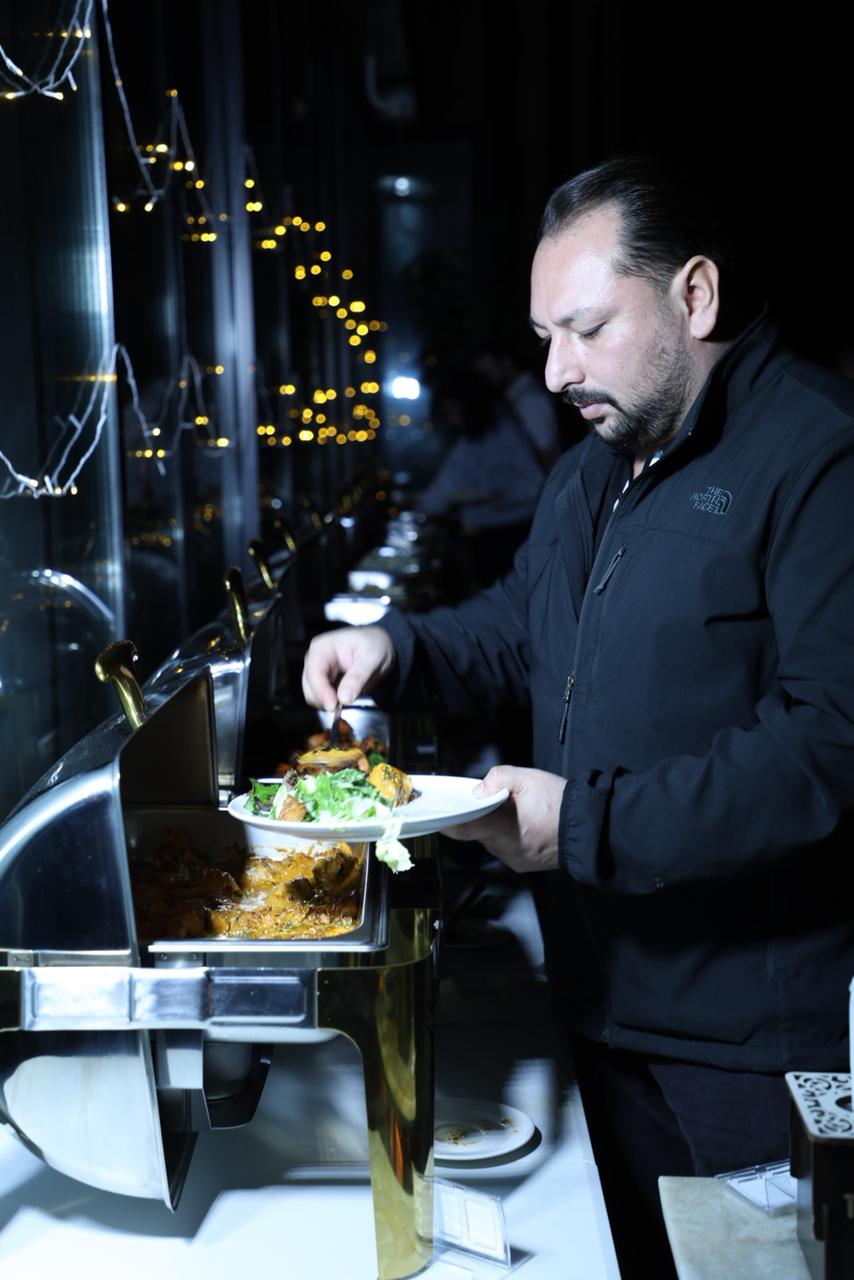
The Buffet — Every Station, Every Dish, Every Night
Three Soups to Open the Fast
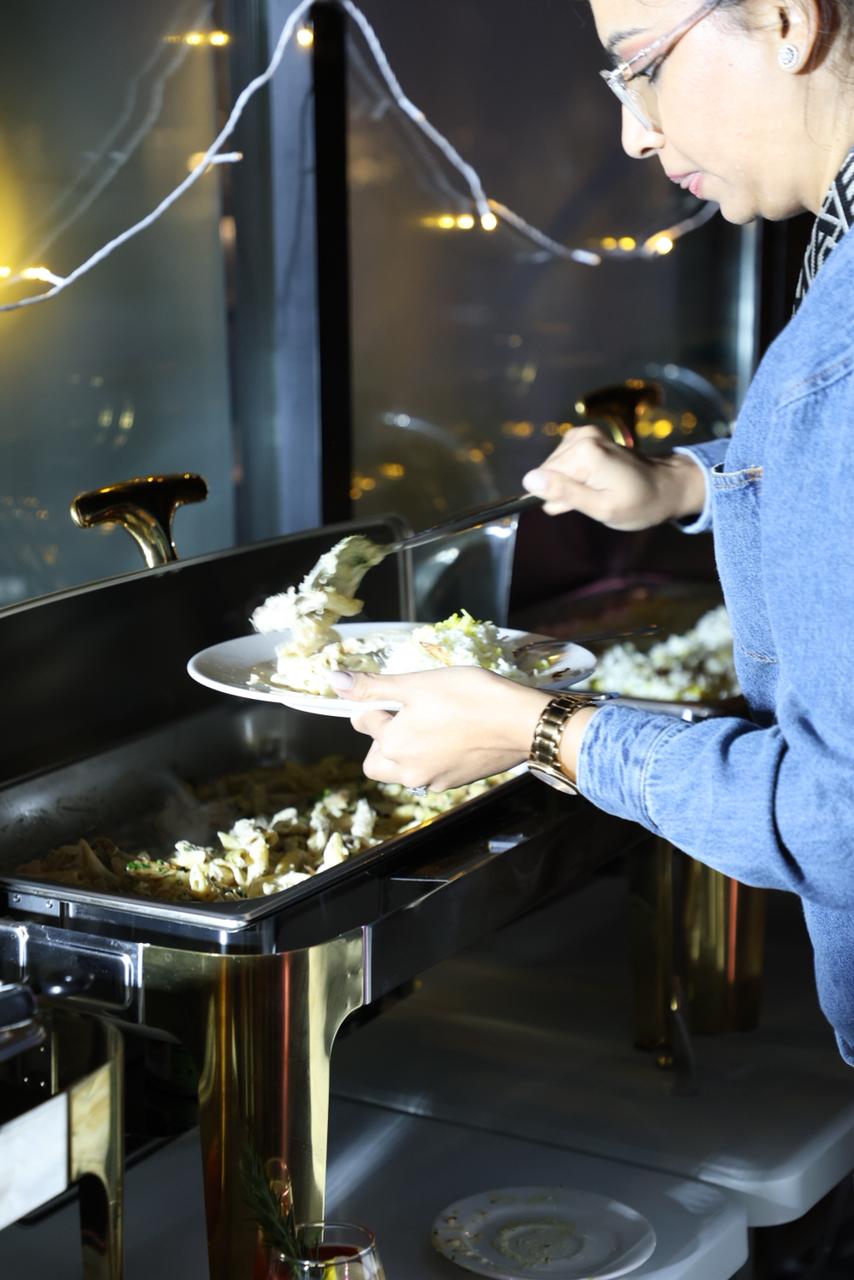
The buffet opens where Ramadan demands it — with warmth and gentleness. Three soups rotate in copper warmers at the head of the line: a traditional lentil shorba, thick and cumin-fragrant with a sharp edge of lemon; a mushroom soup, velvety and earthy, the kind that coats the back of a spoon before releasing slowly; and a vegetable soup built on a clear, well-seasoned broth carrying chunks of seasonal produce. After fourteen hours without water, the first sip of hot soup does something no cold drink replicates — it tells your body the day is over. Each version accomplishes that in a slightly different register, and having three options rather than the standard single lentil pot signals a kitchen that respects the opening moment of iftar as much as the main course.
Hot Appetizers — The Crispy, Golden Middle Chapter
Between soup and mains sits a station that most guests visit twice. Samosas arrive triangular and tight, their pastry crackling on contact, the filling — whether spiced lamb or vegetable — still hot enough to release steam when you bite through. Spring rolls carry a different crunch, thinner-skinned and lighter, their vegetable interiors maintaining snap rather than going soft inside the wrapper. Kibbeh — that torpedo-shaped icon of Levantine cooking — comes with a dark, fried exterior giving way to a core of spiced minced meat and pine nuts, the two textures creating a contrast the human mouth finds almost impossible to resist.
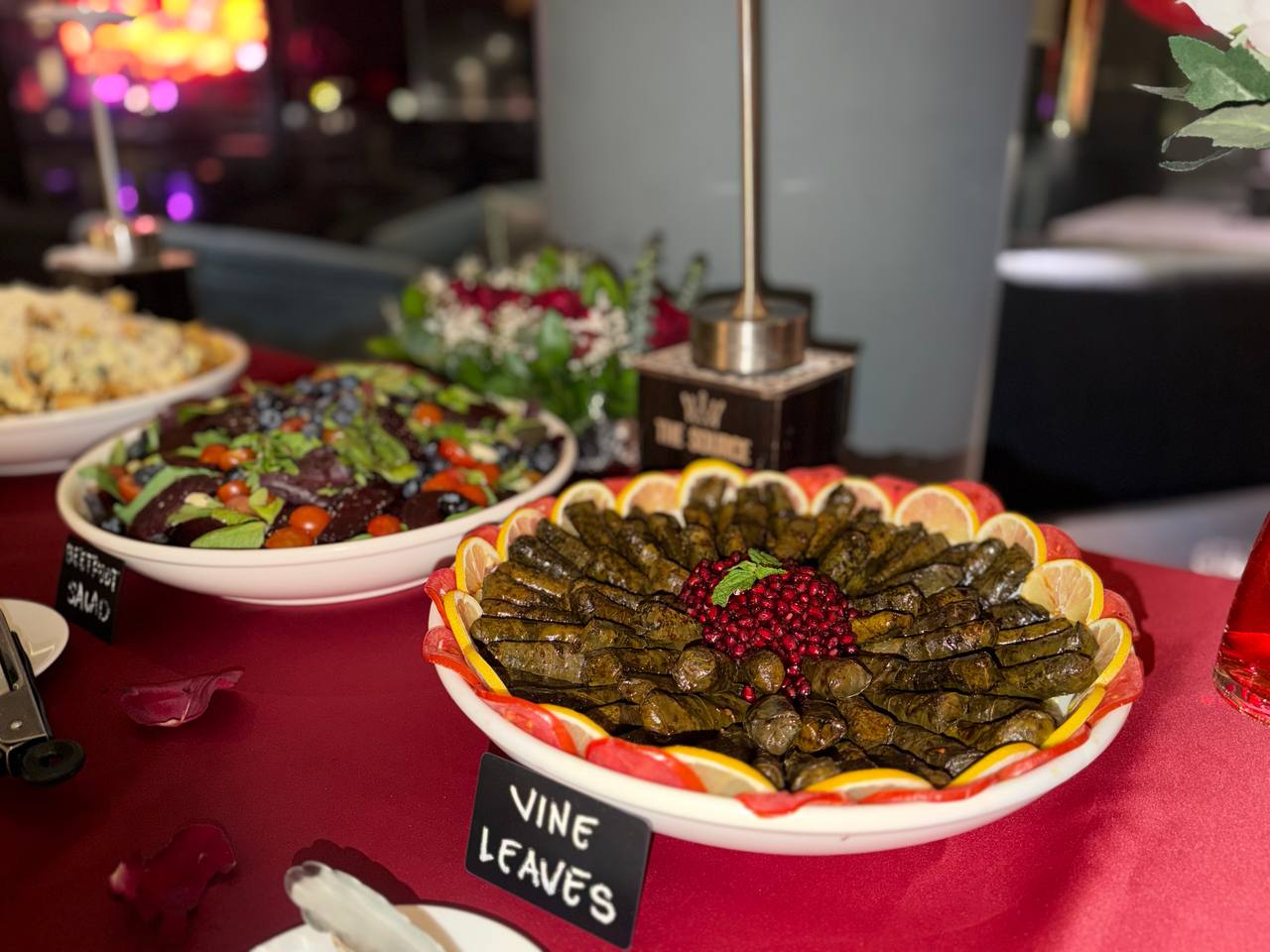
Falafel holds its own beside these — herbed, green-centered, crusted dark on the outside, served with tahini. Dolma rounds out the station: vine leaves rolled tight around seasoned rice, braised until the leaf turns silky and the rice absorbs enough cooking liquid to carry a gentle tang. Five different appetizers, five different textures, five different cultural lineages — Lebanese, South Asian, East Asian, Egyptian, Turkish — all sitting on the same table on a beach in Oman. This is what an international kitchen does when it takes Ramadan seriously rather than defaulting to a single tradition.
Cold Mezze and Salads — The Cool Counterpoint
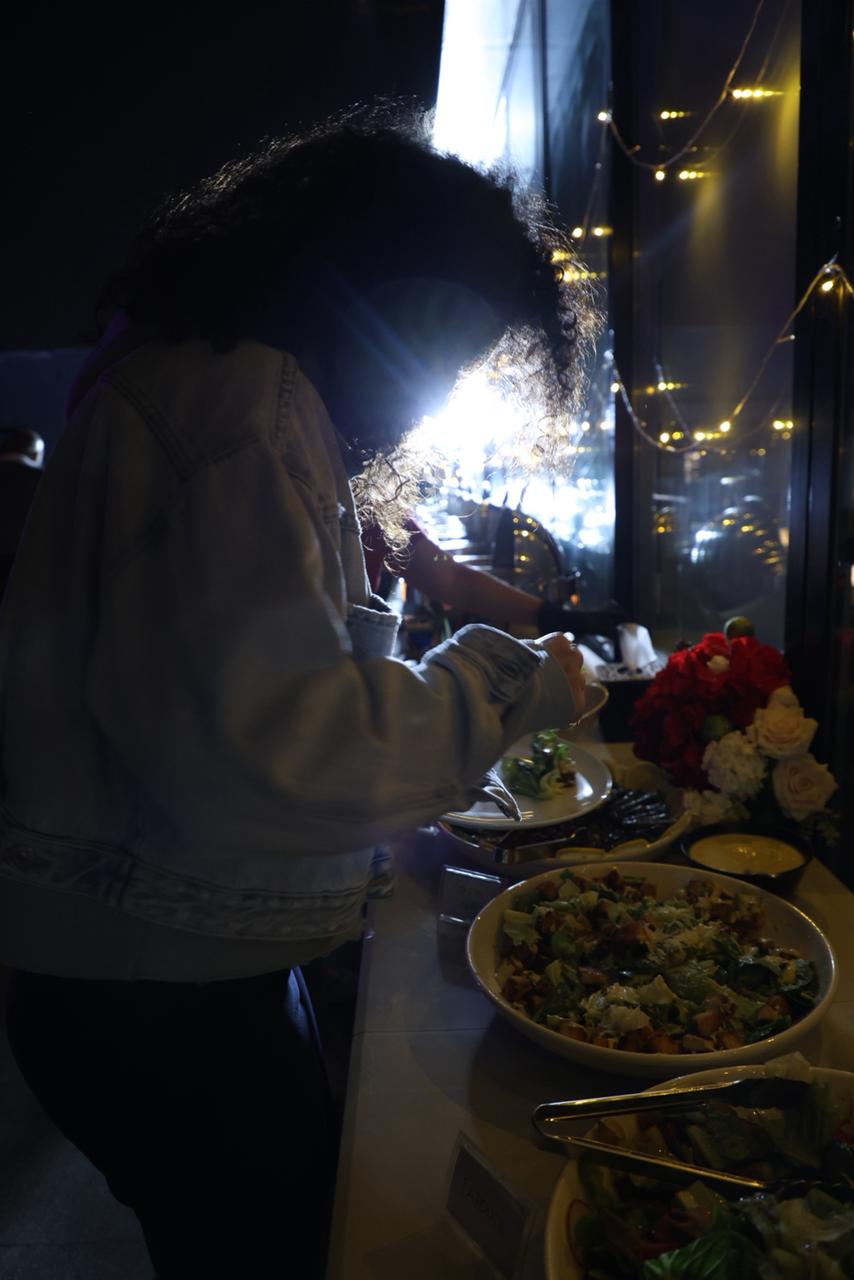
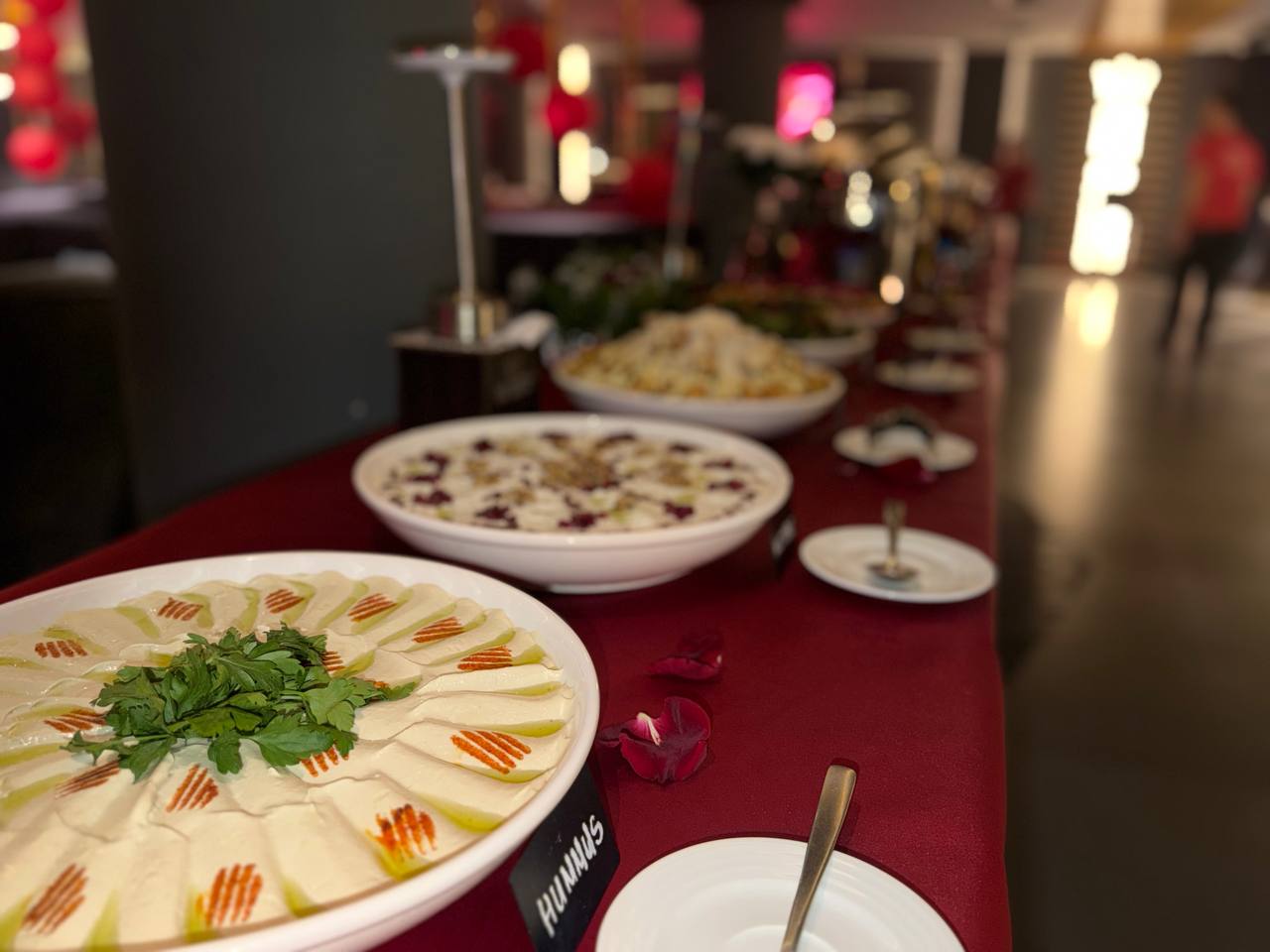
Rice pudding occupies an unexpected place on the cold table, but its presence makes sense once you taste it — chilled, subtly sweetened, dusted with cinnamon, serving as a bridge between the savory mezze and the heavier mains ahead. Caesar salad provides crunch and freshness, its romaine crisp, its dressing properly anchovy-sharp rather than the mild, sweetened imitation most buffets deploy. These cold dishes do essential work during iftar: they cool the palate between hot courses, they slow the pace of eating after a long fast, and they give guests a reason to return to the table between grills and mains.
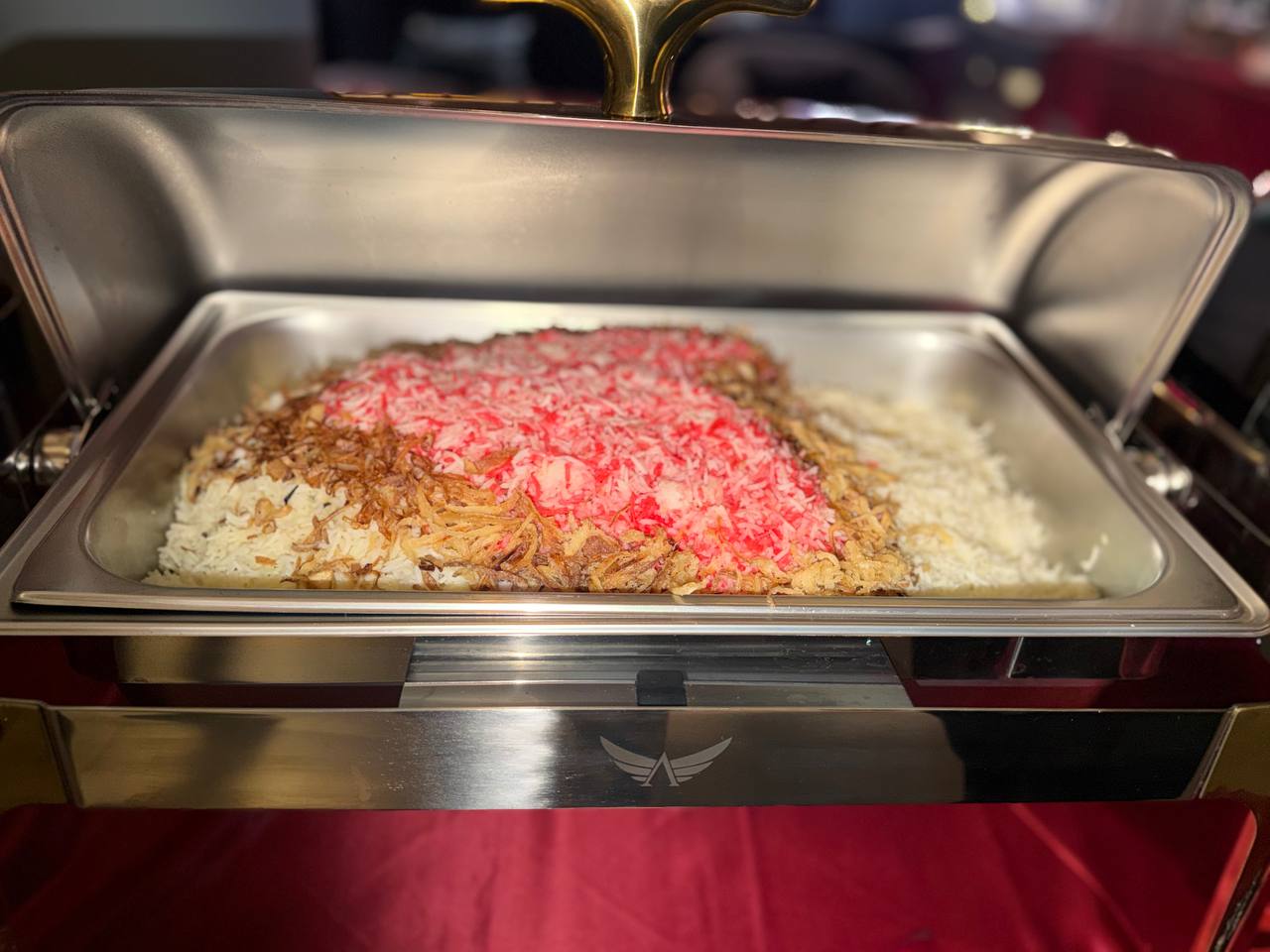
Biryani appears in two versions: chicken and meat, both built on basmati rice layered with caramelized onions, whole spices — cardamom, cloves, cinnamon bark — and enough saffron to stain the top layer a deep gold. The rice grains stay separate and long, a textural benchmark that reveals whether a biryani was assembled by someone who understands the dish or merely followed a recipe. The Source’s version passes that test.
Omani abgoosht — a traditional slow-cooked meat and chickpea stew — appears on the buffet as an intentional nod to the restaurant’s host country. This is not a dish most international restaurants attempt during Ramadan, and its presence communicates something specific: the kitchen knows where it is, respects the local table, and can execute Omani comfort food alongside Persian kebabs and Indian biryani without any of them suffering by comparison.
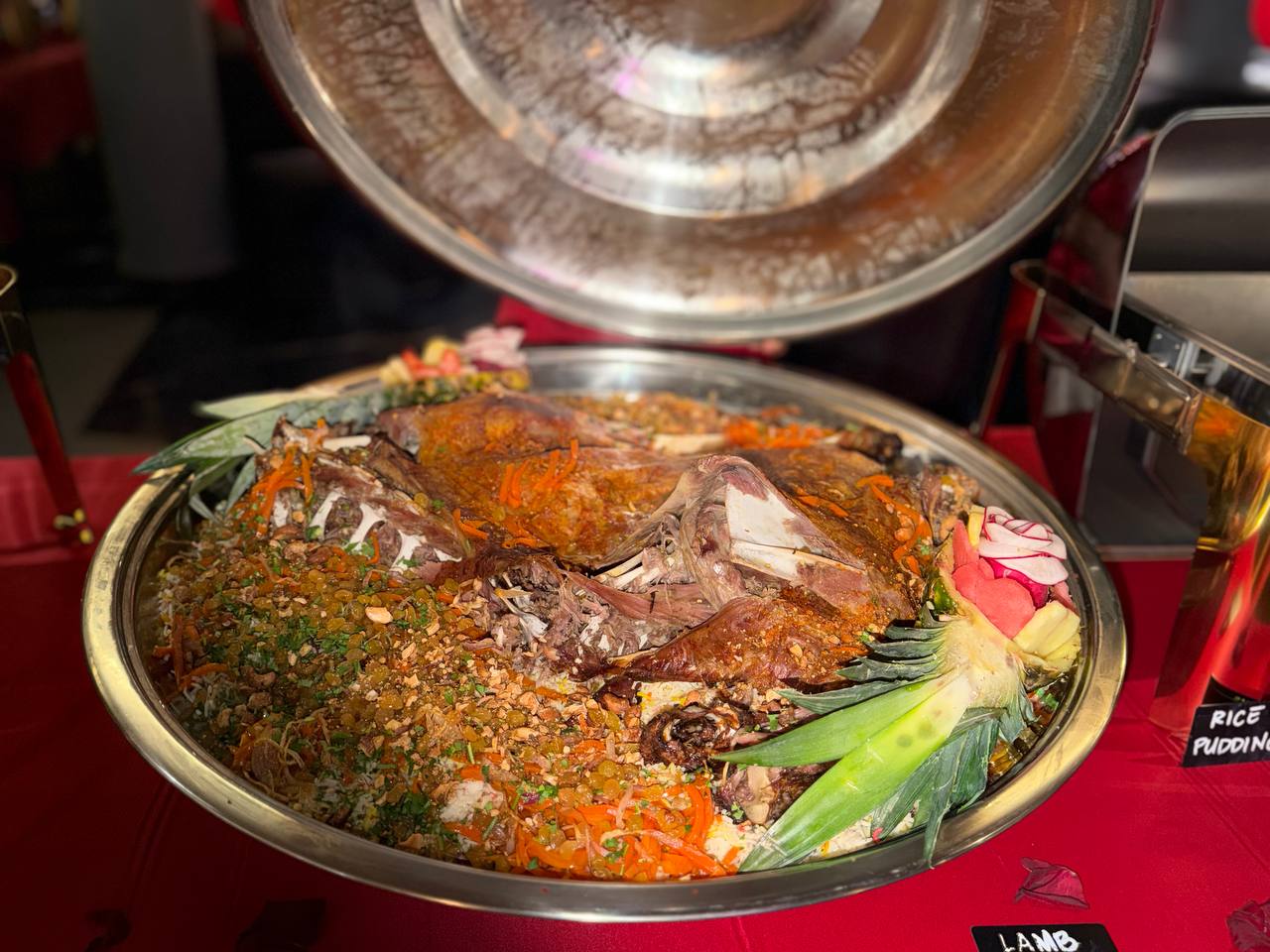
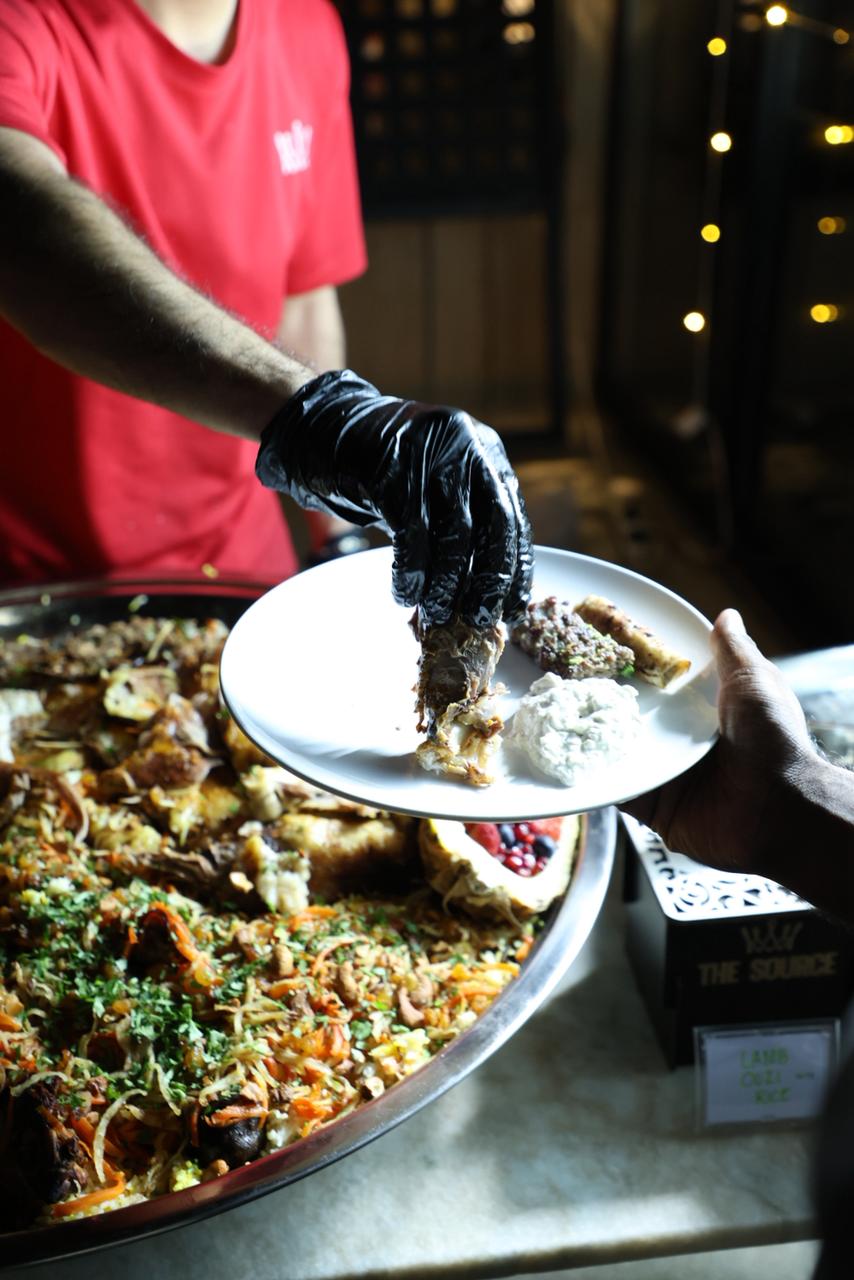
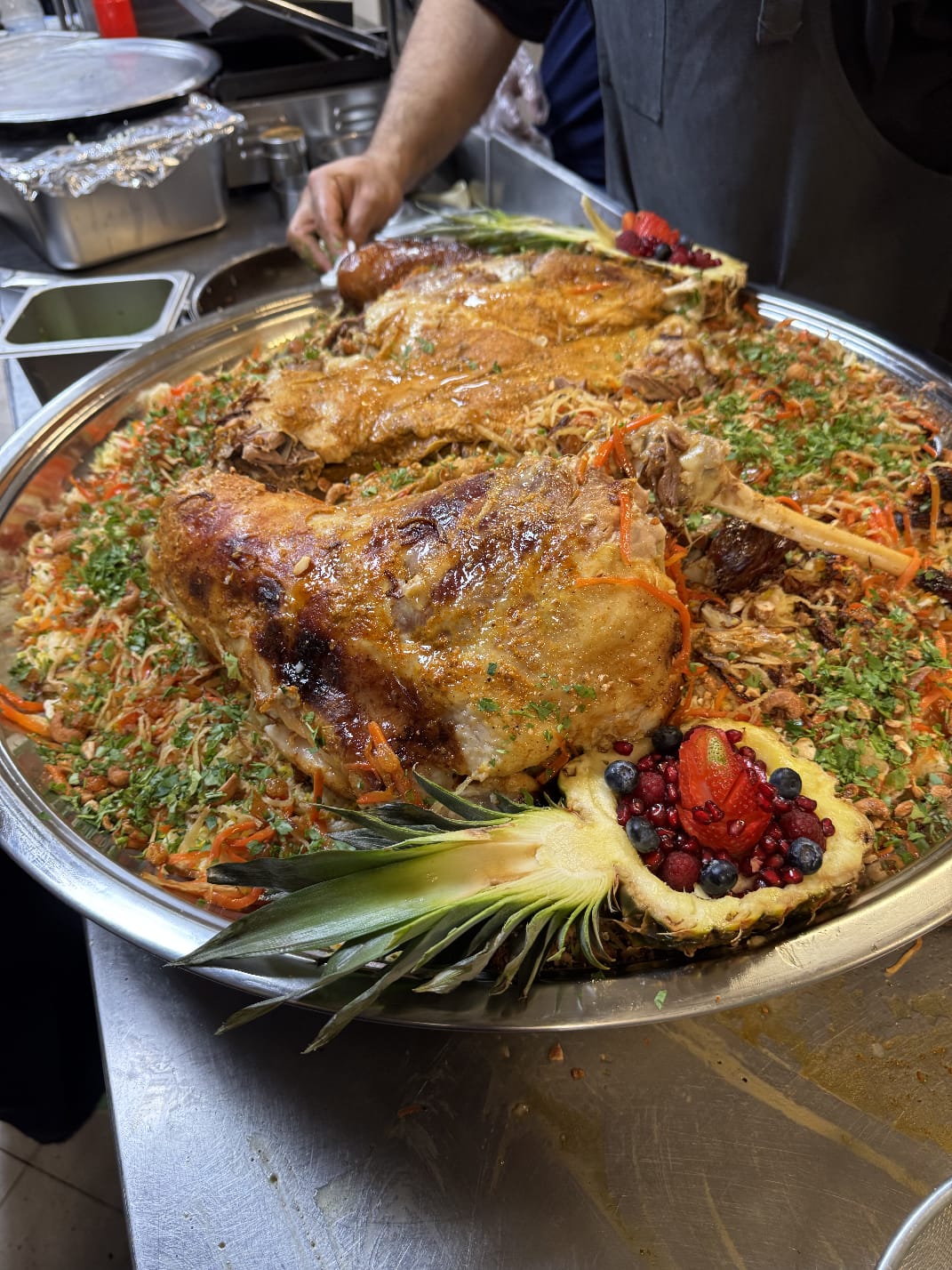
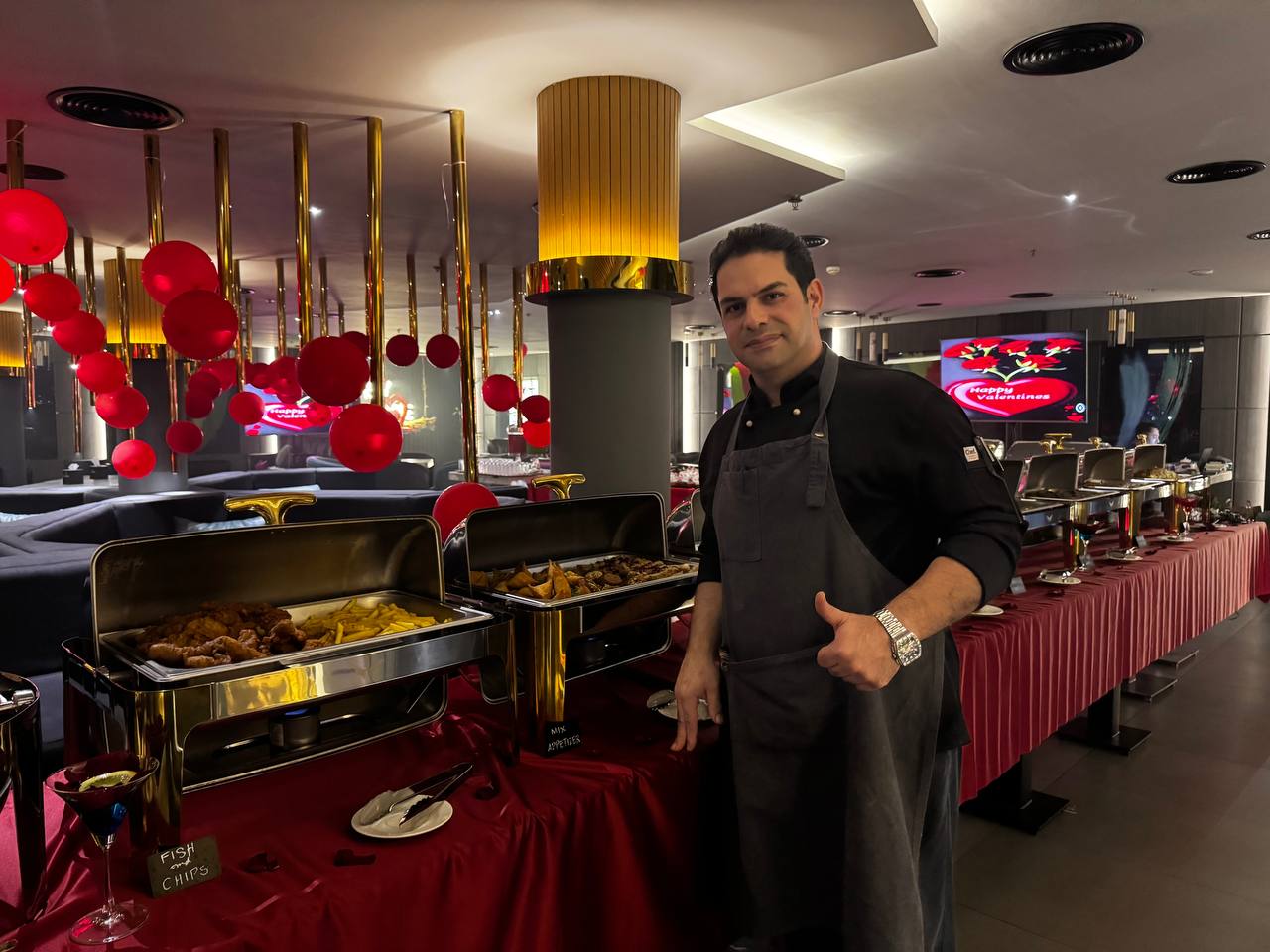
Lamb Qozi, whole and generous, occupies the center of the station — rice saffron-golden, almonds toasted across the surface, meat falling away in shreds that carry the sweetness of slow rendering. Plain white rice provides a neutral base for those who want to pair stews and grills without the complexity of spiced rice. Pasta and mixed vegetables offer lighter alternatives, while chicken strips and fish and chips ensure younger guests and less adventurous eaters find something familiar alongside the traditional spread.
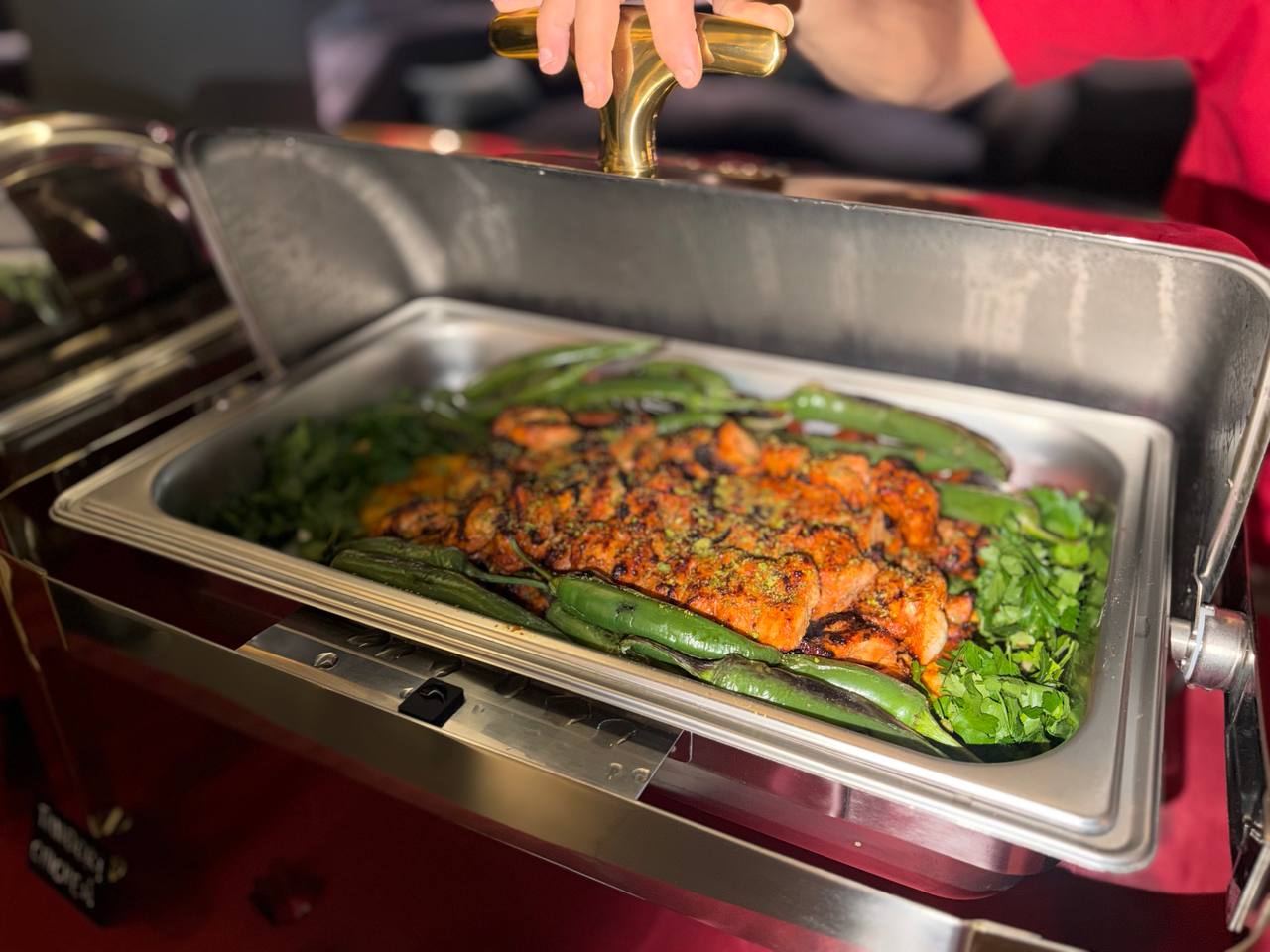
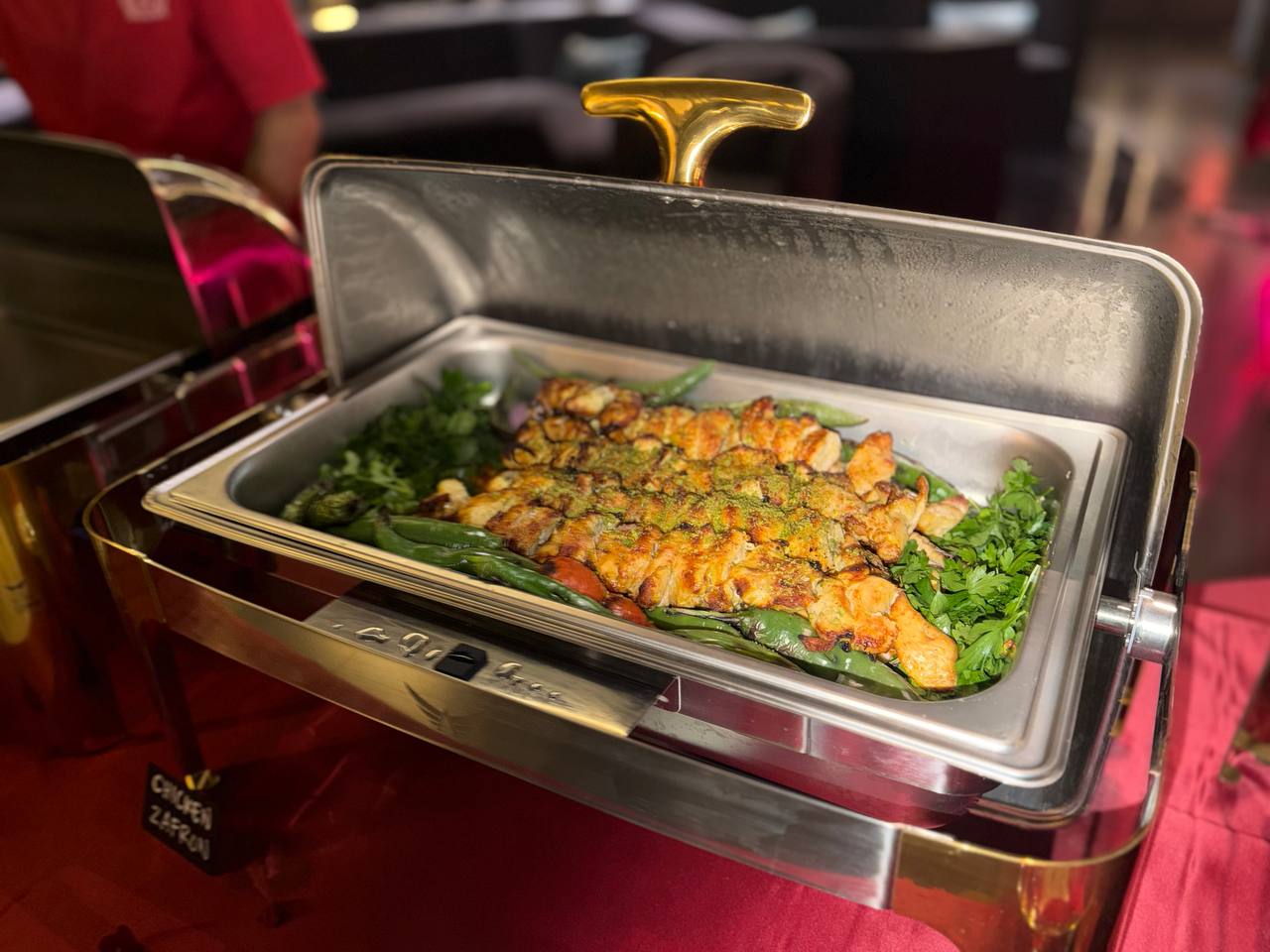
The range on this table — Persian, Omani, Indian, Levantine, Continental — reflects the demographic reality of Muscat itself. An iftar table in this city serves Omanis, Indians, Pakistanis, Filipinos, Europeans, Americans, and visitors from across the Gulf. A buffet that defaults to a single cuisine ignores its own room. The Source’s kitchen reads the room correctly.
Ramadan Desserts — Luqaimat, Kunefe, Um Ali, and Qatayef
Dessert during the holy month carries emotional weight beyond sweetness. It is indulgence earned, patience rewarded, tradition renewed.
Luqaimat lead the table — those small, round, deep-fried dough balls, crisp on the outside, airy inside, drenched in date syrup and dusted with sesame seeds. They are the sound of Ramadan in the Gulf: the sizzle of batter hitting hot oil, the drizzle of dibs, the crunch at first bite. Every Omani who grew up in the Sultanate carries a memory attached to luqaimat, and the version here honors that memory.
Kunafa arrives in wide trays, cut to order, the pastry shredding into crisp golden threads over molten cheese, syrup pooling at the base of each piece. The kitchen sends out fresh trays throughout the evening — a critical detail, because kunefe that has been sitting loses its defining crunch within twenty minutes, and a restaurant that serves stale kunefe has fundamentally misunderstood the dessert’s entire purpose.
Um ali bubbles in a ceramic dish — puff pastry layers softened in sweetened milk, crowned with pistachios and coconut that have toasted to the precise shade of gold where flavor peaks. Qatayef — those folded, stuffed pancakes filled with cream or nuts and sealed at the edges — complete the spread. They are a Ramadan-exclusive dessert across the Arab world, appearing only during the holy month, and their presence on the buffet signals that this kitchen is building a menu for Ramadan specifically rather than adding a few Arabic sweets to its regular rotation.
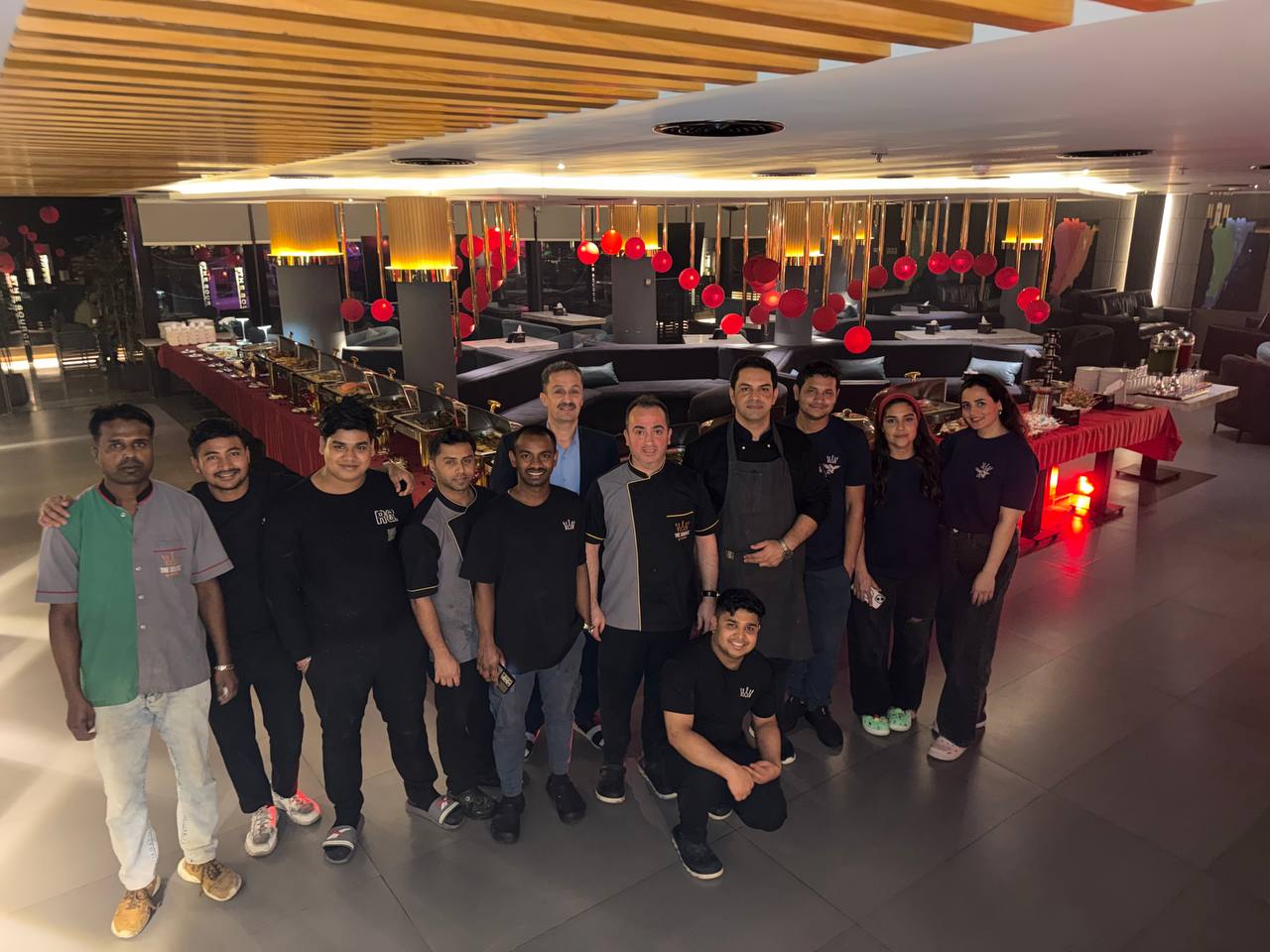
After 8:30 PM — When the Buffet Ends and the Evening Opens
The iftar buffet runs from Maghrib azan until 8:30 PM, and this is where most indoor venues would present the bill. At The Source, the evening simply changes shape.
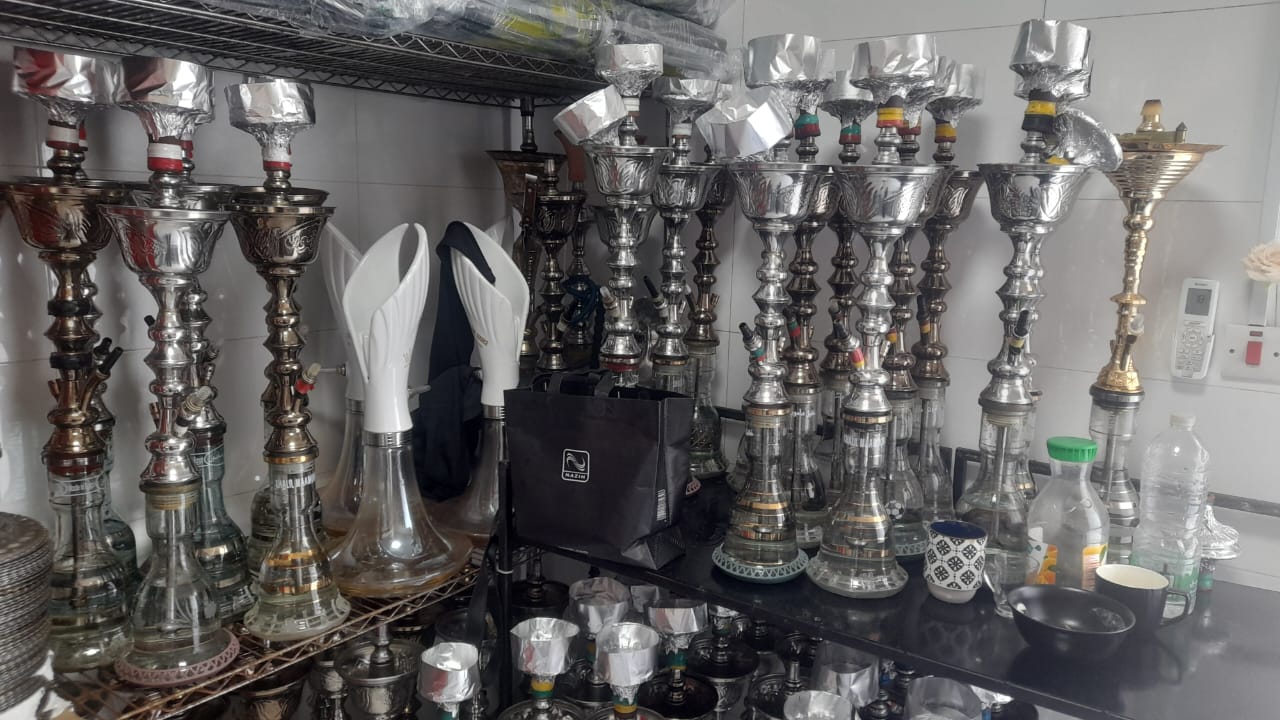
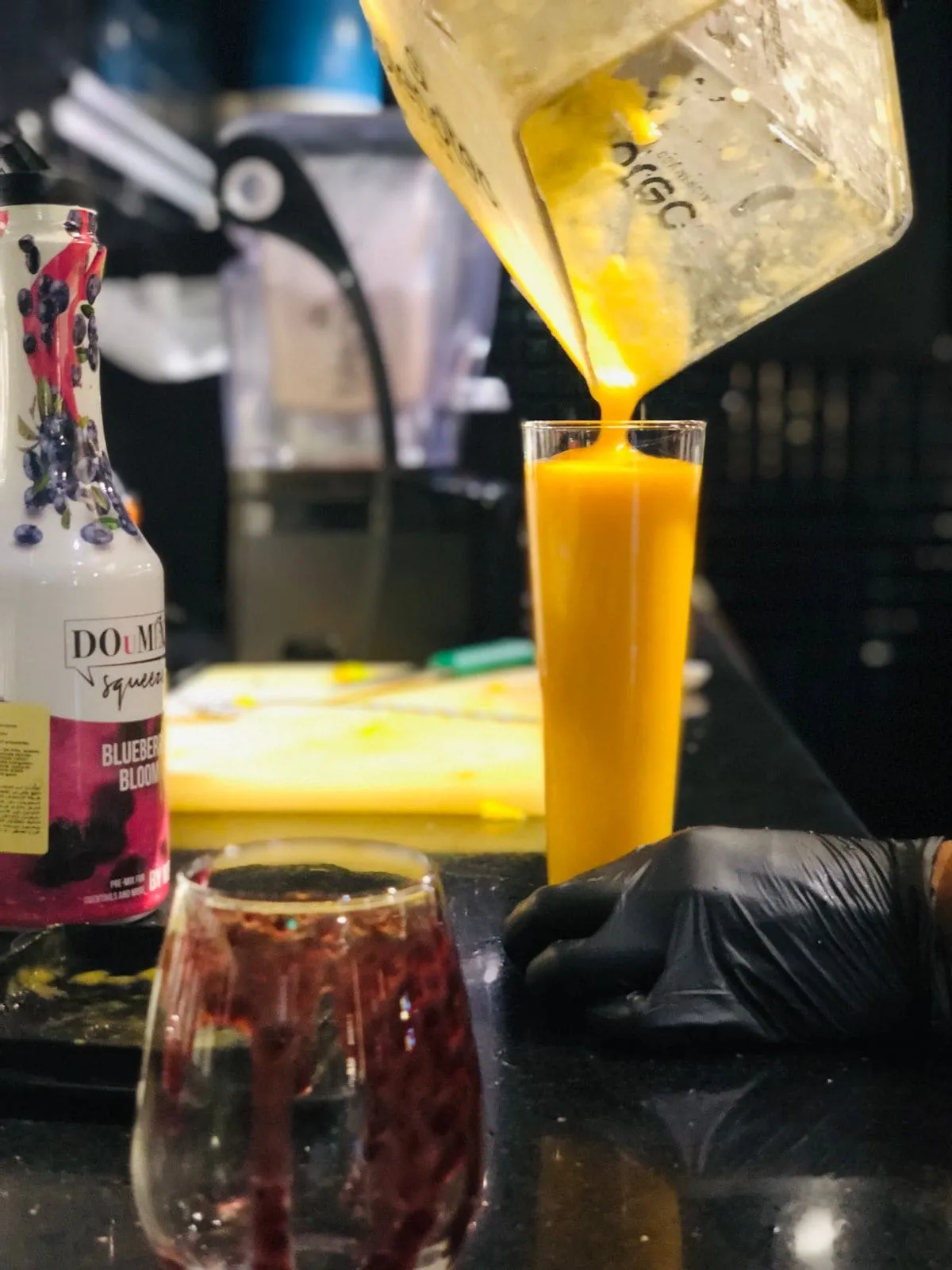
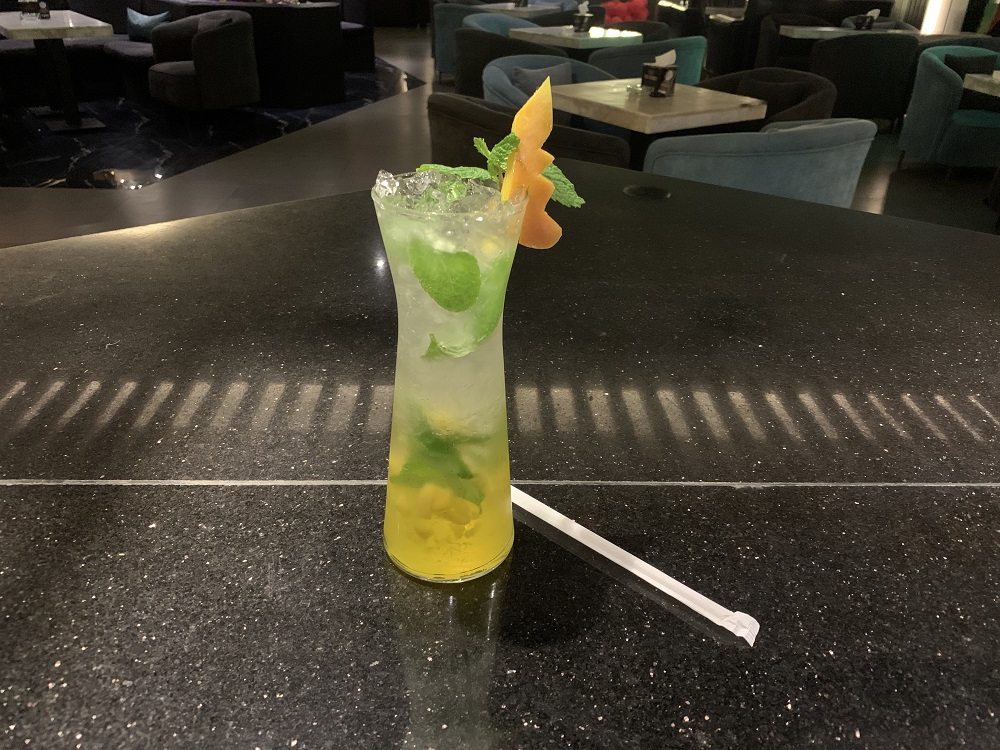
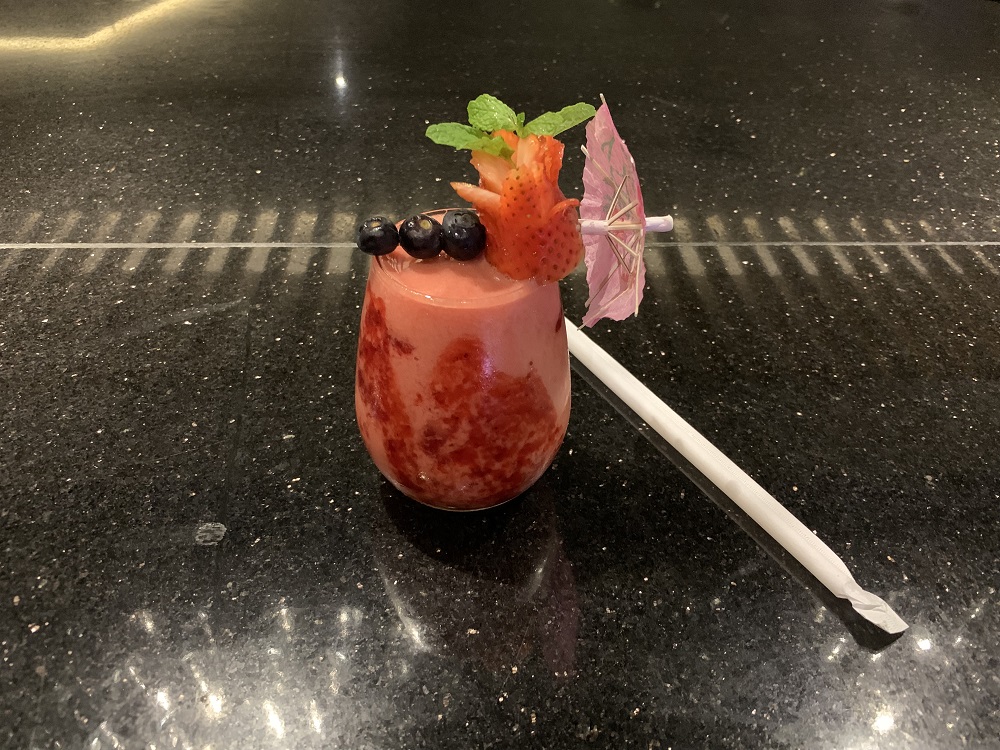
After the buffet clears, the full restaurant menu opens — a separate, à la carte experience that extends the night in every direction guests want to take it. The kitchen continues serving its regular international menu: grilled seafood, Mediterranean dishes, steaks, and additional desserts beyond the Ramadan spread. The bar produces fresh cocktails and mocktails. And the beachside shisha lounge — the feature that turns a single iftar into a three-hour evening — activates with its full range of premium hookah flavors.
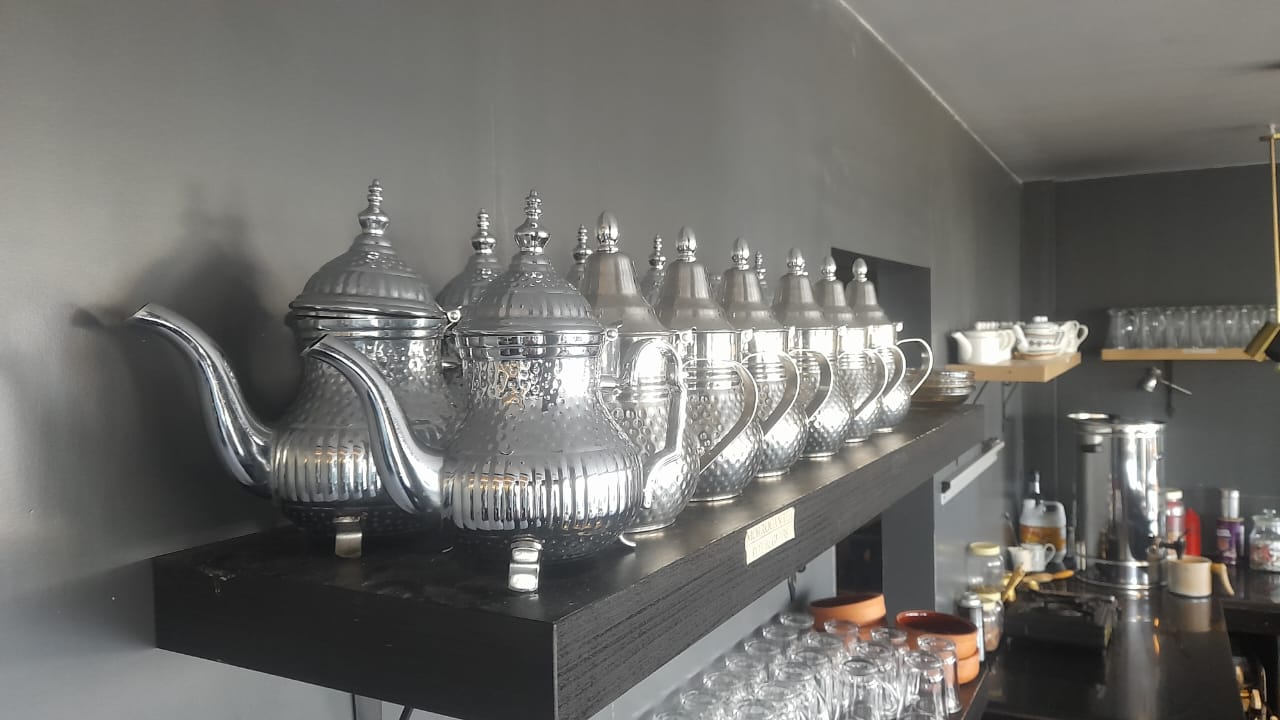
This two-phase structure is deliberate, and guests on TripAdvisor mention it repeatedly. Break your fast with the buffet, then stay for shisha by the Arabian Sea. The transition requires nothing more than shifting from the dining table to the lounge cushions. Conversations continue. Tea refills arrive. The breeze off Qurum Beach cools the terrace as the night deepens. Nobody rushes you. Nobody presents a time limit. The sea does not close at 8:30.
The Practical Details That Make the Evening Work
Free parking surrounds The Source on Qurum Beach — a logistical point that matters enormously during Ramadan, when arriving at sunset after a full day of fasting means patience for circling a parking garage has dropped to zero. The entire beachfront seating area is wheelchair accessible, ensuring the open-air experience excludes no one.
Qurum Beach sits centrally within Muscat, reachable from most neighborhoods in ten to fifteen minutes. The restaurant operates in a family-friendly environment with enough space and open air to keep children comfortable without the claustrophobia of enclosed venues. Couples find the sunset-facing tables naturally romantic — no reservations-only “couples section” required, just the Arabian Sea and the evening light doing what they have always done.
Best for families wanting a complete Ramadan evening on the beach, tourists experiencing iftar in Oman for the first time, expat groups tired of overpriced hotel ballrooms, and anyone who believes that 10.900 OMR should buy more than fluorescent-lit function room seating.
The Iftar That Keeps Bringing People Back Across the Month
A buffet at this price, on this beach, with this range of dishes — soups through desserts, Persian through Omani through Continental — served every single night of Ramadan from azan to 8:30 PM, followed by an open-ended shisha and à la carte evening on the sand: this is not an iftar you try once. This is the one you return to on the nights when you want the holy month to feel exactly the way it should — unhurried, generous, held together by the sound of the sea.
Tables fill fast. The final ten nights sell out early. Reserve yours before Qurum Beach decides the evening without you.

Make Qurum Beach your iftar address this Ramadan. Visit The Source and experience what hundreds of guests have described in their reviews on Google Business Profile and TripAdvisor — one of the most memorable beachfront iftars in Muscat. Follow The Source on social media for nightly updates, menu highlights, and Ramadan event announcements.
How to Find Us
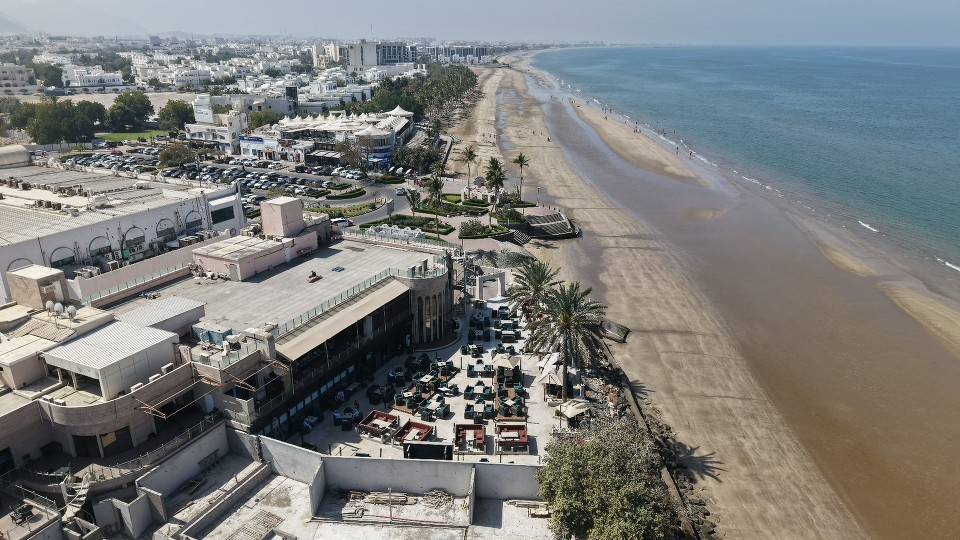
The Source is located directly on Qurum Beach in Muscat, Oman. We are easy to find and even easier to remember once you have visited.
We recommend making a reservation for dinner and late-night visits, especially on weekends and during major sporting events.
The iftar buffet at The Source runs every evening during Ramadan from the Maghrib azan (sunset) until 8:30 PM. Guests are welcome to arrive 10–15 minutes before sunset to settle into their beachfront table before the call to prayer.
The nightly iftar buffet is priced at 10.900 OMR per person, covering the full spread from soups and appetizers through main courses and Ramadan desserts. After the buffet ends at 8:30 PM, the regular à la carte menu, shisha, and drinks are available separately.
The buffet includes three soups (lentil, mushroom, vegetable), hot appetizers (samosa, spring roll, kibbeh, falafel, vine leaf dolma), cold mezze (hummus, mutabal, Caesar salad, rice pudding), main courses (Koobideh, Chicken kebab, biryani, Qozi, okra stew, Omani abgoosht, pasta, fish and chips, chicken strips), and Ramadan desserts (luqaimat, kunefe, um ali, qatayef).
The Source offers a spacious, open-air beachfront setting on Qurum Beach that is well-suited for families. The buffet includes dishes appealing to all ages, including chicken strips, fish and chips, and pasta alongside traditional Arabic fare. Free parking and wheelchair accessibility ensure convenience for all guests.
Reservations are strongly recommended throughout Ramadan and essential on weekends (Thursday and Friday evenings) and during the final ten nights of the holy month. Contact The Source directly by phone or through social media to secure your beachfront table.
[…] and the aroma of premium shisha sets the tone. Just steps from the waves at Shatti Al Qurum, The Source invites you into a world where atmosphere meets authenticity. Right in the heart of your search, […]
[…] makes The Source stand out from every other restaurant in Muscat? The answer is simple: location. We are not just […]
[…] entertainment. Whether you’re here for a casual outing or a special occasion, The Source stands out as the best grill restaurant by the beach Muscat — a place where great food, scenic […]